
CRE Investment Trends: Where Capital Is Moving in 2026
☕ Good Morning!
Cap rates are holding steady, but investors are becoming much more selective. Multifamily vacancy is falling, yet older apartments are feeling the squeeze. Tampa retail is finding its footing through a wave of smaller transactions, while small-bay industrial is emerging as one of the hottest corners of the market.
And then there's Pensacola, where industrial sales are quietly picking up steam—with $79.3 million in annual sales volume.
The common thread? The CRE recovery isn't happening everywhere, or for everyone, at the same pace.
This month, we're digging into where capital is moving, where fundamentals are improving, and where the headline numbers deserve a second look. 👀
Let's get into it.
CRE's Great Cap-Rate Staring Contest
📊 Flat Rates, Very Un-flat Feelings
CBRE's H1 2026 Cap Rate Survey is basically the commercial real estate market saying: "Everything's fine." While nervously checking the Treasury yield every five minutes.
Despite the 10-year Treasury climbing as high as 4.67% in May, average CRE cap rates barely moved. About 60% of CBRE professionals expect rates to stay put over the next six months—but that headline stability hides a lot of disagreement underneath.

🏬 Pick Your Property, Pick Your Mood
Retail and industrial are looking relatively cheerful, with neighborhood retail and select industrial markets seeing modest cap-rate compression.
Meanwhile, infill multifamily and lower-quality office are bringing the pessimism. NYC stabilized multifamily, for example, widened to 5%–5.5%, while Class A suburban office in major Midwest markets reached eye-popping 10%–12.5% ranges.
And Class C assets? Investors can't seem to agree on much of anything.
🌎 The Waiting Game
Higher borrowing costs and geopolitical uncertainty are keeping buyers and sellers apart. 77% of CBRE Capital Markets respondents said the US/Iran conflict hurt their 2026 investment outlook.
The magic number? Survey respondents believe the 10-year Treasury needs to fall to roughly 3.75% before deal activity really gets moving.
Until then, CRE investors appear content to sit on their wallets and wait for better yields. In other words: the market isn't frozen—it's negotiating. 😏
Why This Matters
A flat average cap rate might look like stability, but underneath the hood, CRE pricing is getting increasingly fragmented.
Investors aren't treating every property—or every market—the same. Retail and industrial are attracting more confidence, while infill multifamily and lower-quality office are facing tougher pricing and wider expectations. That growing gap matters because it makes price discovery harder: buyers want higher yields to compensate for risk, while sellers are still anchored to yesterday's valuations.
The biggest wildcard is interest rates. CBRE's survey suggests investors want the 10-year Treasury closer to 3.75% before deal activity meaningfully accelerates. Until then, transaction volumes could remain sluggish as both sides wait for the other to blink.
Apartment Vacancy Is Down. So Why Are Owners Sweating?
📉 The Headline Looks Great. The Fine Print? Less So.
US apartment vacancy fell to 8.15% in Q2 2026, down 26 bps from Q1 and 14 bps from a year ago.
Cue the "multifamily is back!" headlines. 🎉
Except there's a pretty important plot twist: newly delivered apartments are doing most of the heavy lifting.
Of the 163,739 units absorbed during the quarter, nearly 68% came from four- and five-star properties. Many are still in their initial lease-up phase, meaning renters are flocking to shiny new buildings while older communities are having a harder time keeping pace.
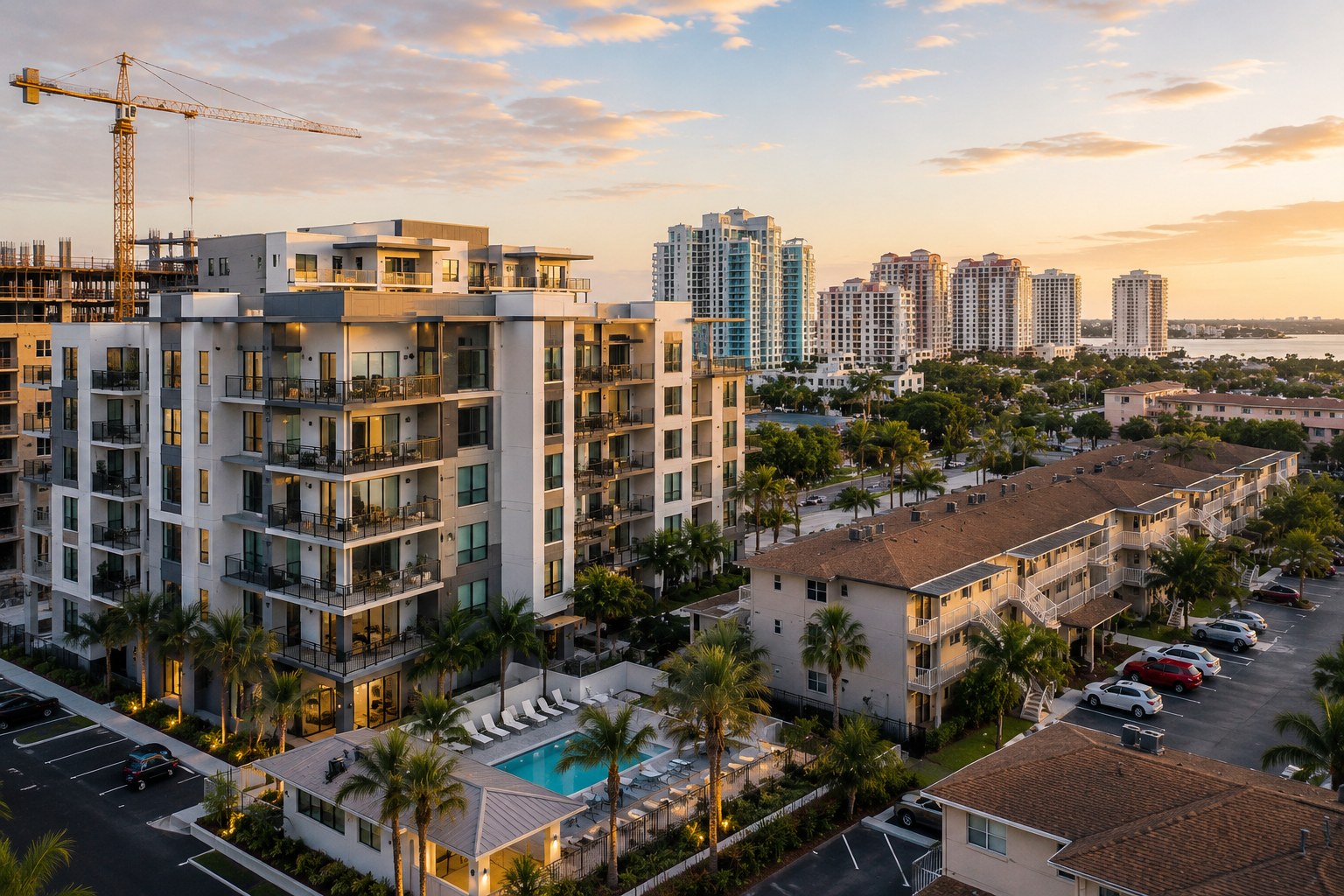
🏙️ New Apartments Are Winning. Existing Ones? Not Quite.
The split becomes even clearer when you separate overall vacancy from stabilized vacancy.
While national vacancy declined, stabilized properties saw vacancy rise 34 bps year over year. Among four- and five-star properties, the gap is even wider: overall vacancy fell 138 bps, while stabilized vacancy increased 37 bps.
That's a 175-bp disconnect hiding underneath the national headline.
And the Sun Belt isn't exactly getting a breather. The South and Mountain regions both remain above 10% vacancy, as years of aggressive construction continue to add competition.
Why This Matters
For owners, the challenge isn't simply filling apartments—it's competing with newer apartments that renters increasingly prefer.
That could mean more concessions, slower rent growth, higher marketing costs, and pressure on NOI for stabilized assets. Investors may also need to spend more on renovations and amenities just to keep older properties competitive—which puts operating expenses squarely in focus.
So yes, vacancy is falling.
But the more important question is: who is actually capturing the demand?
Right now, the answer is increasingly clear: the newest buildings in town. 🏗️
Tampa Retail's Recovery Is Being Built One Small Deal at a Time
📈 More Transactions, More Liquidity
Tampa's retail investment market is picking up steam—and it's not because investors suddenly started throwing around billion-dollar checks.
It's because a whole lot of smaller checks are getting written.
Retail sales volume reached roughly $1.6 billion over the latest 12-month period, up 15% year over year and comfortably above the market's pre-pandemic average. The biggest driver? Small, single-tenant net-lease properties that continue to attract private investors and mid-market buyers.
In fact, roughly 91% of Tampa retail deals closed below $5 million in the latest period.
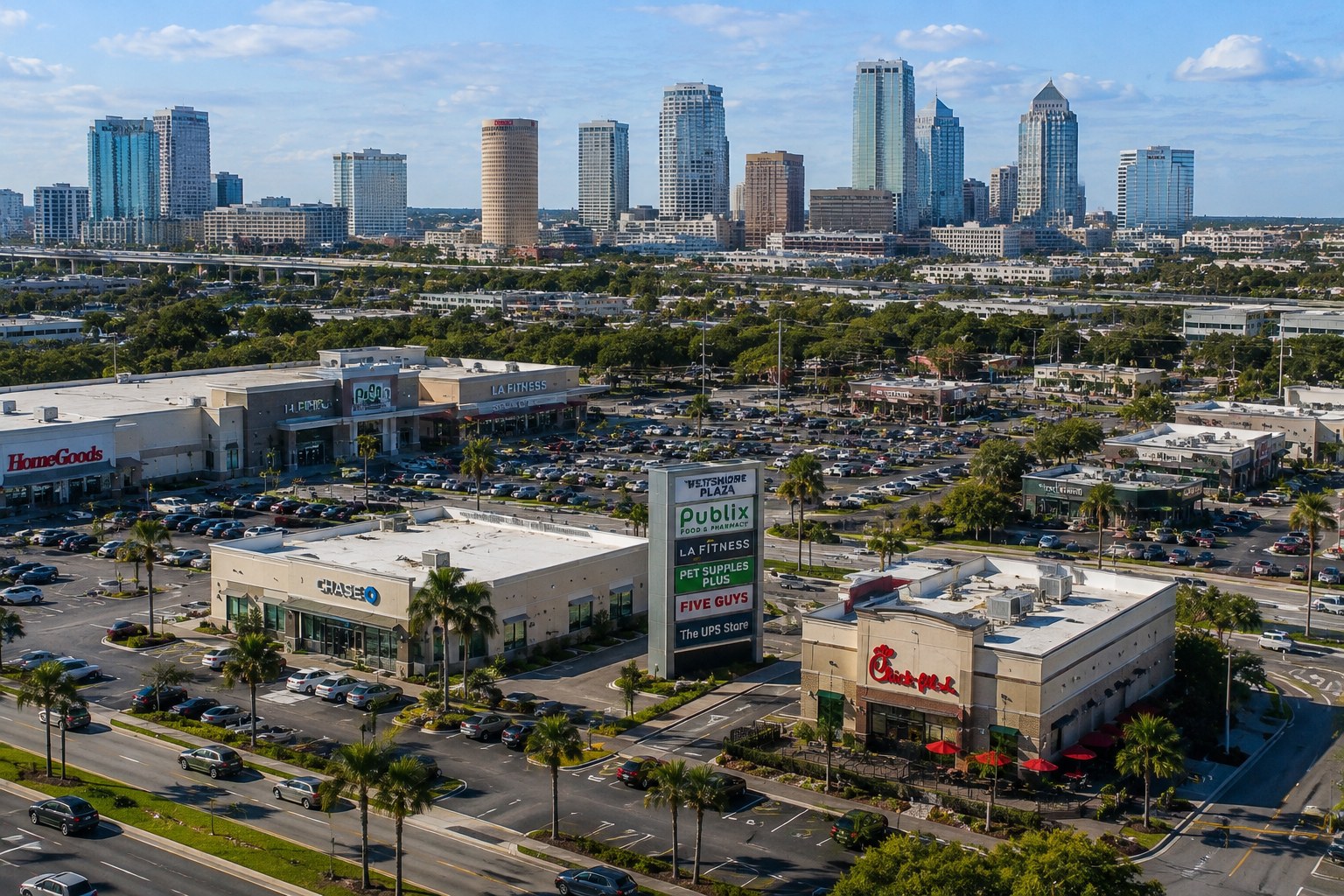
🏪 The $5M-and-Under Crowd Is Doing the Heavy Lifting
Single-tenant properties are especially popular because they're relatively straightforward to understand: long leases, limited management headaches and often necessity-based tenants. Think fast food, convenience stores, pharmacies, auto service and other everyday businesses—many structured as triple net leases.
For private capital, that combination is pretty appealing. Investors get exposure to Tampa's population growth without needing to underwrite a massive shopping center with 20 tenants, three vacancies and a roof that suddenly needs replacing. 😅
🌴 Why Tampa?
Tampa's population has grown roughly 8% since 2020, while retail inventory increased only about 0.6% over the comparable period. More people, more spending power and relatively little new retail competing for those dollars.
Vacancy has also remained tight, at roughly 4% across the metro. But not all retail is created equal: single-tenant vacancy was around 3.4%, compared with approximately 5.4% for multi-tenant properties.
💰 And the Bigger Deals Are Starting to Stir
Larger value-add and shopping-center transactions are beginning to return, suggesting that improving liquidity is slowly moving up the size spectrum. Transactions in the $10 million–$20 million range have been running more than 50% above the average pace of the prior four years, according to Institutional Property Advisors.
Translation: buyers aren't just nibbling around the edges anymore. They're starting to take bigger bites—but they still want a reason to believe the price is right.
Why This Matters
The most encouraging part of Tampa's retail recovery isn't the $1.6 billion headline. It's how that volume is being generated.
A large number of smaller transactions means more buyers are participating, more properties are changing hands and the market is generating more real-time evidence of what assets are actually worth. That creates price discovery and liquidity—two things CRE markets desperately need after a period of higher interest rates and muted transaction activity.
For investors, the sweet spot appears to be well-located, necessity-oriented retail with durable leases, strong tenants and limited near-term capital needs. Older shopping centers, short-term leases and assets with significant rollover still face meaningful risk.
The takeaway? Tampa retail isn't being rescued by one giant deal. It's being rebuilt one small deal at a time. 🏗️
Small-Bay Industrial Is Having a Moment
The US industrial market is waking up—and small-bay properties are grabbing the mic. 🎤
🚀 Demand Is Back
Industrial leasing hit 175M SF in Q2 2026, the strongest quarterly tally in more than three years and a 49% jump year over year. Net absorption nearly doubled from Q1 to 167M SF, finally outpacing new deliveries for the first time since 2022.
Translation: tenants have officially stopped kicking the can down the road.
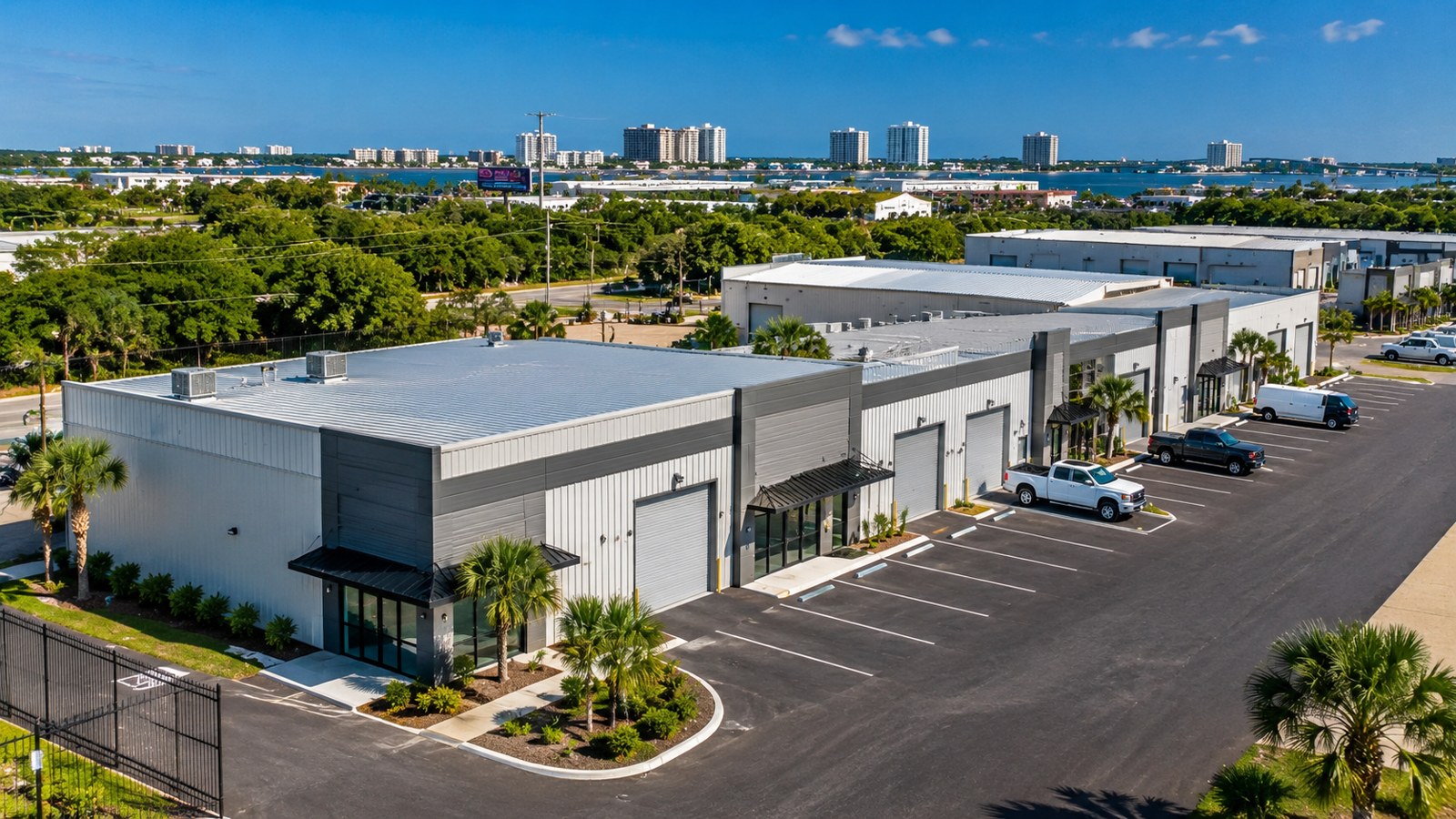
⭐ Small-Bay, Big Performance
Multi-tenant light industrial is emerging as the sector's MVP. Properties under 50K SF account for roughly 70–80% of leases, yet represent only 31% of inventory. Even better for owners: vacancy averages just 4%, while transaction pricing has reached $147/SF—a 36% premium over larger industrial properties.
And supply? Tiny. Only 7% of new industrial construction is small-bay. That scarcity is doing exactly what scarcity tends to do: making investors very interested. 👀
💰 Investors Are Following the Money
Industrial transaction volume rose 37% YoY in Q2, while H1 2026 deal volume reached $64.7B, the second-highest total on record. With small-bay construction constrained by land, power, and infill-market challenges, existing properties are becoming increasingly valuable.
For investors, the playbook is clear: find well-located older assets, add the right capex, modernize the space, and capture rent growth. The catch? Everyone else has noticed, too. Competition is compressing margins, so disciplined underwriting matters more than ever.
Why This Matters
Small-bay industrial is becoming a scarcity play in a market that desperately needs space. Just 36M SF of small-bay space was under construction in Q2, representing less than 0.3% of existing inventory, while infill markets face land and power constraints that make new development even tougher.
That gives owners of well-located existing properties a serious advantage. With vacancy around 4%, rents still climbing, and tenants prioritizing flexibility and supply-chain resilience, operators can potentially drive occupancy, rents, and NOI through targeted upgrades. See our deeper look at small industrial properties in Florida.
Pensacola Industrial Sales: The Deals Behind the Numbers
We know Pensacola's industrial market is moving. Now, let's look under the hood. 👀
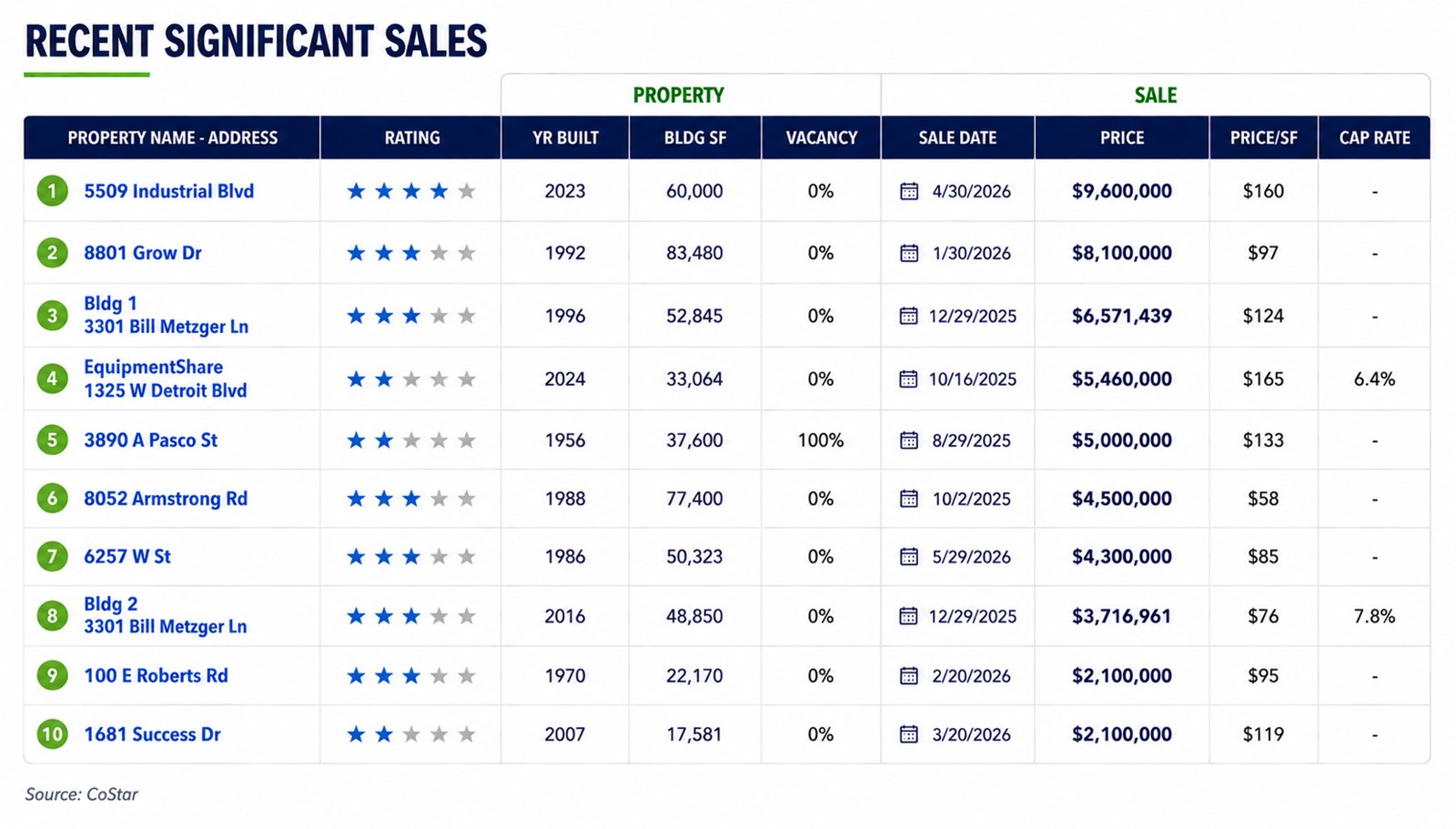
The table below highlights 10 of the market's most significant recent industrial sales, giving us a snapshot of what buyers are actually paying for properties across the market.
💰 The Big Deals
At the top of the list is 5509 Industrial Blvd, which traded for $9.6 million, or $160/SF. Not far behind, 8801 Grow Dr sold for $8.1 million, but at a much leaner $97/SF — a good reminder that size, vintage, location, and property quality can create some pretty wide pricing spreads.
The deals also show plenty of variety. Recent transactions range from newer industrial properties built in 2023 and 2024 to assets dating back to the 1950s. Pricing runs from just $58/SF at 8052 Armstrong Rd to $165/SF at EquipmentShare.
📊 What Stands Out?
Most of the properties were fully occupied at the time of sale, while the handful with reported cap rates came in at 6.4% and 7.8%.
In other words, Pensacola's industrial story isn't just about how much is trading — it's about the wide range of assets and pricing strategies attracting buyers.
Overall Takeaway
Across the stories in this newsletter, the winners tend to share a few traits: strong demand, limited new supply, favorable demographics, and assets that solve a real tenant need.
Small-bay industrial is benefiting from scarcity. Tampa retail is gaining liquidity from a deep pool of smaller buyers. Pensacola industrial is showing attractive pricing and transaction momentum. Meanwhile, multifamily reminds us that a strong headline can hide very different outcomes beneath the surface.
And cap rates? They're telling us investors still care deeply about risk and yield, especially while interest rates remain elevated.
So the takeaway isn't that CRE is "back" or "not back." It's more nuanced—and more interesting: capital is moving, but it's moving with a checklist. 📝
For investors and owners, that means the old strategy of betting on the broader market may be less useful than finding the right asset, in the right location, with the right fundamentals. In this market, being selective isn't a disadvantage. It's the strategy. 🚀
👋 That's a Wrap
Consider your CRE intel refreshed. From cap rates and multifamily to retail and industrial, the market is giving investors plenty to watch—and plenty to debate. We'll keep tracking the deals, data, and trends that could shape what comes next.
Until then, keep your eye on the numbers. They usually tell the story first. 📊
Interested in Joining Our Investor Network?
Connect with us to receive updates on off-market opportunities, market insights, and emerging investment trends. Call (850) 203-5788 or visit our Investment Partnerships page to start the conversation.