
CRE Market Trends: Office Losses, Multifamily Distress & Retail Growth
Commercial real estate is getting more complicated. Office values are falling, troubled multifamily loans are coming due, and self-storage rents remain under pressure. Meanwhile, retailers are finding fresh growth in suburbs and smaller markets. The common thread is that location, debt, supply and demand matter more than the sector label.
Self-Storage Rents Are Falling—even as New Supply Dries Up
National advertised self-storage rates fell 1.9% year over year in August to $16.39 per square foot, according to Yardi Matrix. The decline accelerated from 1.6% in July and 1.5% in June. Twenty-four of the top 30 metros posted month-over-month declines, while Austin, Minneapolis, Salt Lake City and the San Francisco Bay Area were the only markets to record annual growth.
Developers Are Pumping the Brakes
About 43.8 million net rentable square feet were under construction at the end of August, equal to 2.1% of existing inventory and down from 2.5% a year earlier. The pipeline is shrinking, but the market is still digesting deliveries equal to 8.8% of starting inventory over the past three years.
Some markets absorbed much more supply. Sarasota–Cape Coral expanded storage inventory by 25.2%, Tampa by 17.7% and Orlando by 17.4%. Those markets have many recently delivered units that still need customers.
Supply Is the Name of the Game
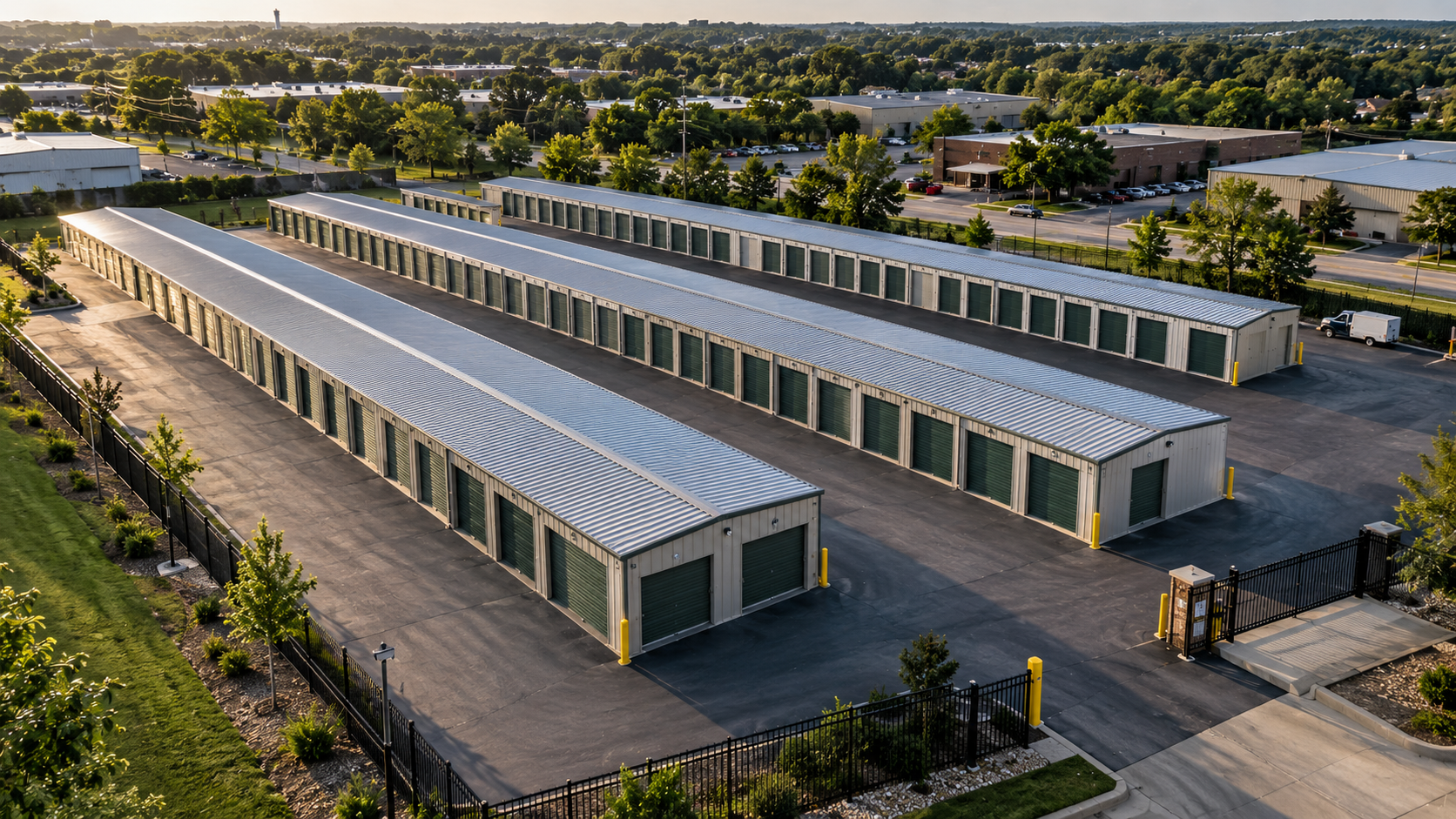
Austin, Minneapolis and Salt Lake City are posting modest rent growth alongside comparatively manageable lease-up supply. San Francisco is also showing strength as limited new supply combines with population and multifamily rent growth. Heavily supplied markets are still waiting for inventory to work through the system, and stabilized occupancy does not automatically mean pricing power has returned.
Why This Matters
Self-storage construction is slowing, but the supply problem is not over. Operators may need to keep competing on price until absorption catches up. For investors, the more interesting opportunities may be in markets where supply has already peaked rather than simply in the highest-growth metros.
Retailers Are Leaving the City Center and Chasing the Suburbs
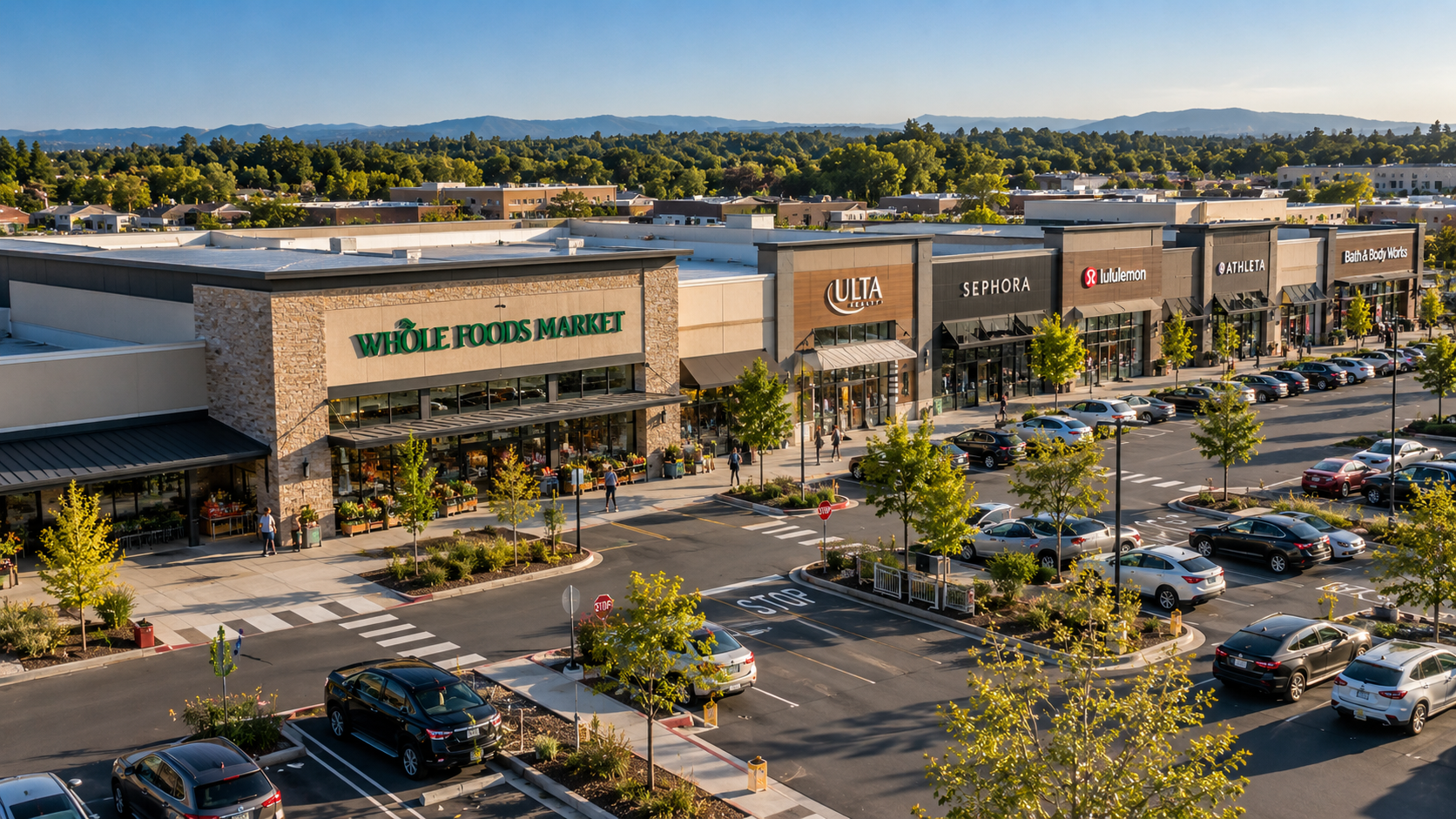
At ICSC@Western in San Diego, retail executives described how mature brands are increasingly moving into suburban communities and smaller cities to find their next wave of customers. The shift is not simply about cheaper real estate—the customer moved, and retail followed.
The Customer Moved. Retail Followed.
Chipotle initially concentrated on business districts with strong daytime populations. As its customer base expanded to include more students and parents, suburban locations became increasingly important. Fitness operators are following a similar path. Purpose Brands is moving Anytime Fitness deeper into suburban markets, while EōS Fitness is positioning larger-format gyms as daily traffic drivers for shopping centers.
Location Strategy Is Getting More Local
Smaller-market expansion cannot rely on a copied urban playbook. Competition varies by city, and some concepts are deliberately competing on experience rather than convenience. The right restaurant or fitness tenant can do more than occupy space—it can generate traffic for an entire center.
Why This Matters
Retail expansion is becoming less about the biggest cities and more about where the next customer lives. That can broaden the pool of tenants seeking suburban space, provided owners and retailers get the trade area, construction costs, approvals and customer experience right.
The Multifamily Distress Wave May Finally Be Warming Up
CRE CLO distress jumped to 28% in August from 19% in July, according to CRED iQ data cited by The Wall Street Journal. These loans commonly use floating-rate debt, so borrowers feel higher interest costs quickly. Many originated in 2021, when borrowing costs were dramatically lower and underwriting assumptions were more optimistic.
The 2021 Loan Hangover
FS Rialto 2021-FL3 originally contained 26 floating-rate mortgages. Eight have been paid off, leaving 18 loans backed by multifamily properties and one hotel. More than half of the remaining loan balance—53%—is delinquent. As three-year maturities and extension options run out, borrowers with weak income and expensive debt have fewer choices.
When the Property Math Stops Working
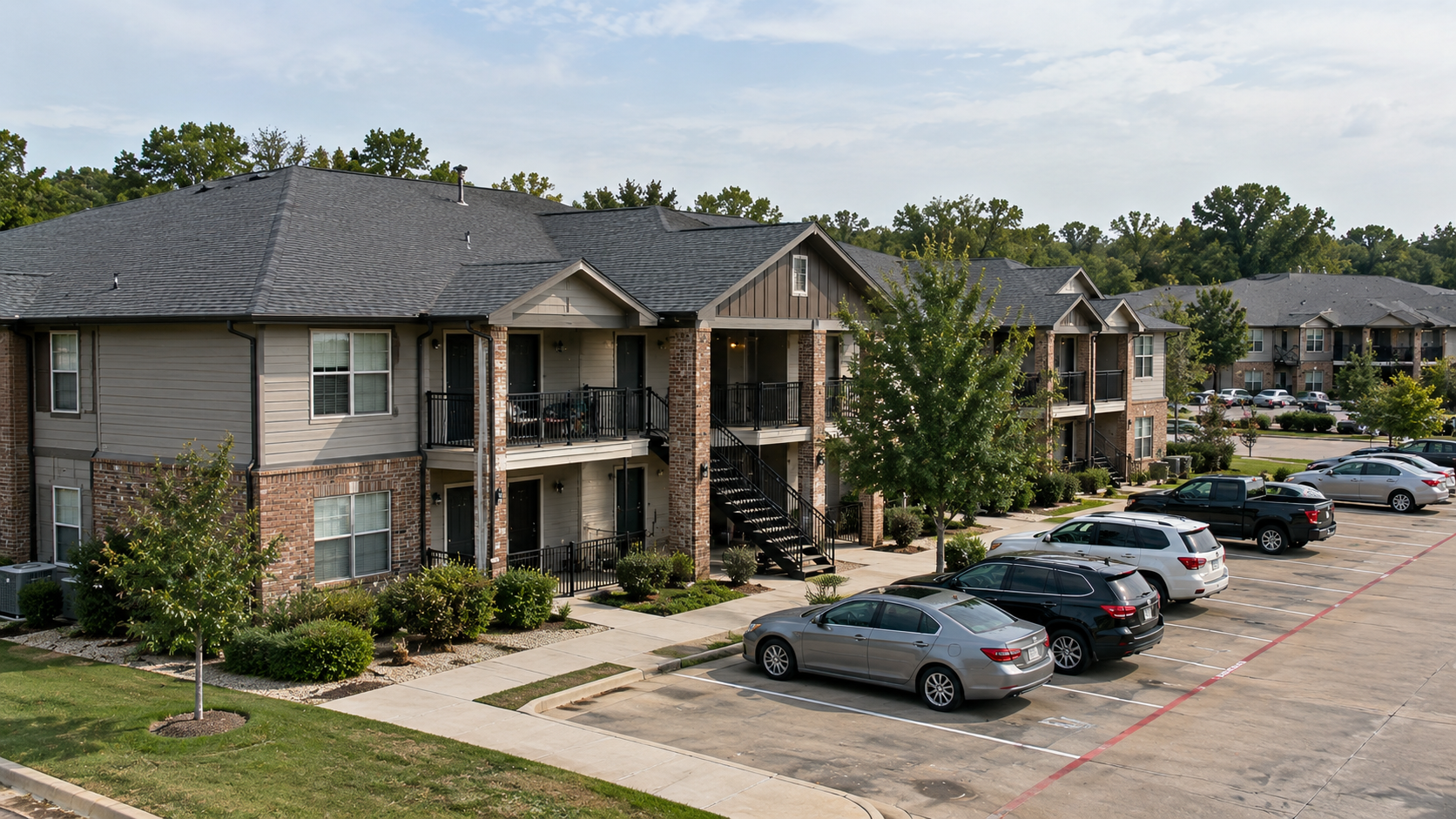
A portfolio of five Georgia and Texas apartment properties averaged rents of $1,423 against a lender projection of $1,953, with cash flow covering only 57% of debt service. In Austin, The Morgan was 65% occupied when purchased in 2021; after new supply intensified competition, revenue reportedly covered only 15% of its mortgage payment.
Why This Matters
Distressed multifamily sales rose to 4.7% of transactions in the second quarter, compared with 1.5% a year earlier. Investors need to distinguish a viable asset burdened by yesterday's financing from a property facing weak rents, heavy supply and underperforming renovations. The first may benefit from a reset capital structure; the second may require a deeper operational fix.
Office Distress Has Entered Its Mark-to-Market Era
U.S. office CMBS delinquency reached 12% in August, near a record. Of roughly $64 billion in office CMBS debt maturing this year and next, nearly $40 billion is already delinquent, in default or on a watchlist. Maturing loans are forcing owners and lenders to confront what buildings are worth today.
Chicago's Aon Center illustrates the reset. The tower sold for $712 million in 2015 and was later refinanced with $536 million in debt. After major tenants left, a May appraisal valued it at $195 million—about 73% below the 2015 purchase price.
Not Every Downtown Is in the Same Boat
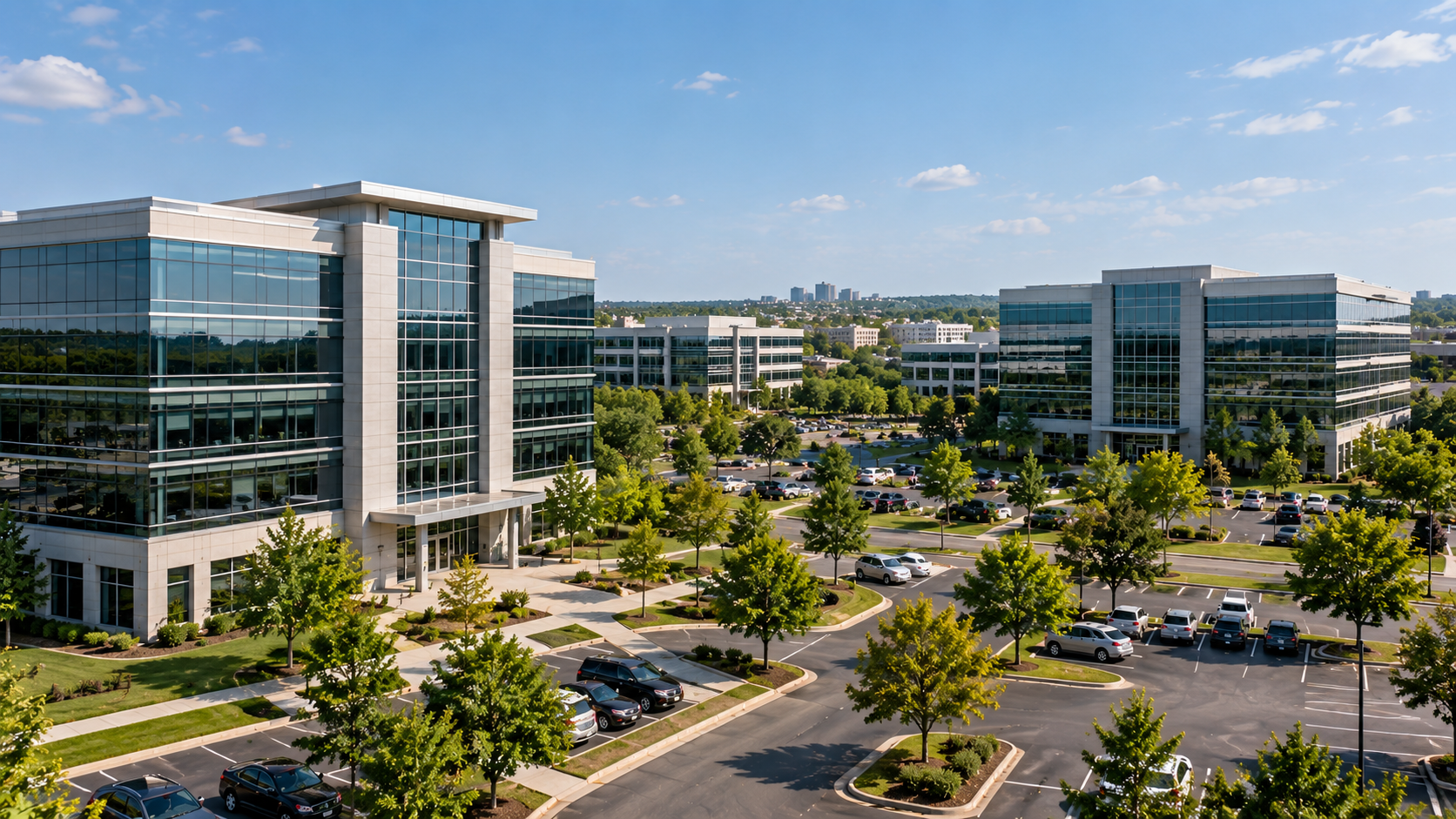
Occupancy is improving in Miami, Dallas and Atlanta. New York is seeing activity from finance, legal and technology firms, while AI-related demand is helping San Francisco. Downtown Denver, by contrast, has reached 39% vacancy and Chicago 27%. In weaker markets, owners must decide whether an aging tower can be repositioned or whether demolition makes more economic sense.
The Distress Is Creating Opportunity, Too
Deeply discounted transactions are establishing new pricing benchmarks. One Chicago office property traded for almost 90% below its pre-COVID sale price, while another changed hands through a discounted debt acquisition. Buyers can increasingly underwrite against today's values rather than yesterday's appraisals.
Why This Matters
The office crisis is shifting from vacancy to loss allocation. Owners may inject equity, lenders may take control, and buyers may acquire viable buildings at dramatically lower bases. Some cities will see conversions and new ownership; others may face demolitions and weaker tax assessments.
Overall Takeaway
Across office, multifamily, self-storage and retail, the market is rewarding realistic pricing, disciplined capital and strong fundamentals.
For owners: Stress-test whether current income supports today's debt costs and whether the property needs capital to remain competitive. Understanding those answers early can preserve options, from refinancing and repositioning to selling before maturity forces the decision.
For sellers: Buyers are underwriting against today's income, rents and replacement costs—not yesterday's valuations. Clear fundamentals and realistic pricing can help a property stand out.
For investors: Distress is creating opportunities, but the better question is not only how cheap an asset is. It is what must happen after acquisition for the property to work.
Know your numbers. Know your market. And know what needs to change for the asset to work.
Is your CRE strategy ready for the next phase? Call (850) 203-5788 or talk with our team about selling, refinancing, repositioning or acquiring.
Prepared by Gulf Coast Property Group