
CRE Market Trends: Cold Storage, Luxury Retail, Multifamily & Office
Across property types, flexibility, location, operating performance and asset quality are becoming increasingly important. Cold storage owners are rethinking how buildings adapt to changing tenants. Luxury retailers are concentrating investment in fewer locations. Apartment rent growth is cooling nationally, while rising office costs are putting additional pressure on NOI. Closer to home, Panama City retail continues to see elevated transaction activity.
Cold Storage Is Getting a Makeover
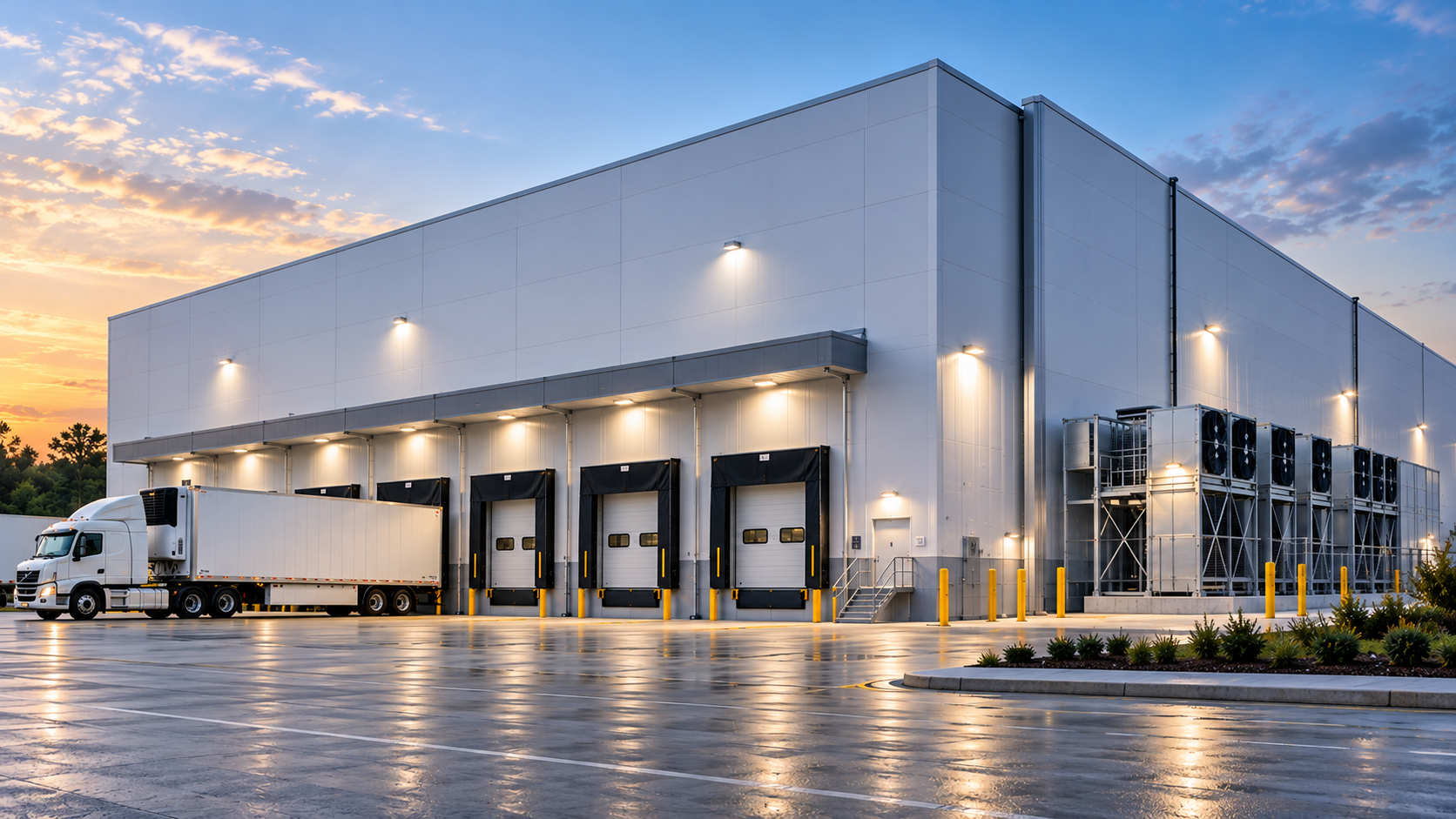
The pandemic-era cold storage boom is cooling off, but the opportunity has not melted away. At this year's I.CON Cold Storage conference, one message came through clearly: the future belongs to buildings that can adapt.
Build for the Tenant You Haven't Met Yet
Tenant needs change. Temperatures, automation, pallet positions, production flows and dock configurations can turn today's perfect facility into tomorrow's headache. Flexible design is becoming an investment strategy: higher clear heights, flexible demising, convertible chambers and refrigeration systems that can support multiple configurations.
Do not build a building that works perfectly for one tenant. Build one that can work for several.
Old Buildings, New Tricks
Adaptive reuse can unlock value when land and construction costs are high, but due diligence matters. Slabs, roofs, drainage, utilities, fire protection and structural capacity can turn a bargain into a multimillion-dollar surprise. One case study required more than $1 million in structural reinforcement.
Start With the Operation
The best projects start by asking how the customer operates. One facility connected directly to manufacturing through a conveyor bridge. Another 150,000-square-foot roof lift increased clear height from 21 feet to 36 feet, unlocking storage density and expansion potential.
Why This Matters
Cold storage is not a commodity. Two 200,000-square-foot buildings can have dramatically different values based on refrigeration, power, loading, clear height, food-grade infrastructure, location and flexibility. As the market becomes more disciplined, the right building matters more than simply finding a building.
Luxury Retail Is Going Bigger—Just Not Everywhere
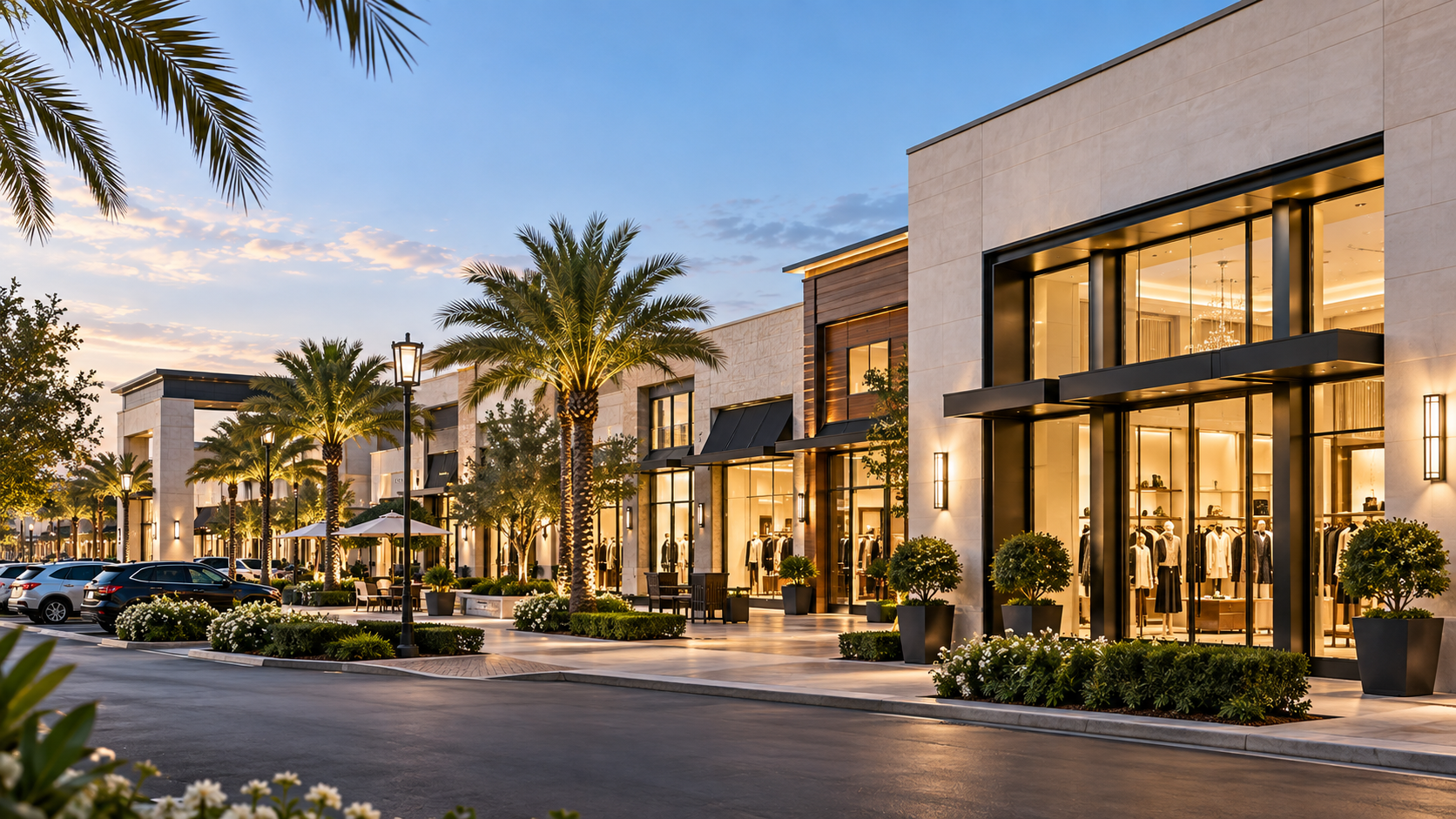
U.S. luxury store openings totaled 123,334 square feet in the first half of 2026, down 46% from the same period last year, according to JLL. The bigger story is that quality is replacing quantity.
Go Big or Go Very Small
Bain reports monobrand openings are running 15–20% below 2022 levels, while the average flagship has grown more than 30%. Street stores averaged 5,850 square feet, compared with 3,144 square feet in malls, and prime corridors accounted for 30 of 45 street openings tracked by JLL. Miami's Design District led in opening count, while Madison Avenue led in square footage, helped by Dior's 52,000-square-foot flagship.
Small Stores Are Not Going Away
Nearly half of U.S. luxury openings were under 2,500 square feet, with malls accounting for 61% of those locations. Jewelry and watch brands represented 43.5% of the smaller openings.
The Store Is Becoming the Experience
Flagships increasingly double as restaurants, galleries, event spaces and private-client lounges. The global luxury customer base fell from roughly 400 million in 2022 to 330 million in 2025, while shoppers spending €20,000 or more annually now account for 46% of luxury sales, up from 30% in 2019.
Why This Matters
Luxury retailers are becoming more selective and investing more capital in fewer, higher-impact locations. For owners and investors, the shift puts greater emphasis on location, customer experience and property quality.
Apartment Rents Finally Take a Breather
After eight straight months of gains, the national average apartment rent fell 0.03% in August to $1,751—a $1 monthly decline, according to Apartments.com. The decline was smaller than those recorded in August 2024 and 2025, suggesting the market may be finding more balance.
Location Is Doing the Heavy Lifting
The Pacific Northwest and Midwest led annual rent growth at 2.2%, followed by the Northeast at 2%. Orange County rose 0.6% in August, San Francisco 0.4%, East Bay 0.3% and San Jose 0.2%. San Francisco led annual growth at 11.9%, followed by San Jose at 7.7%. Across the 50 largest markets, however, 31 saw rents decline, 12 recorded increases and seven were unchanged.
Supply Remains the Wild Card
Elevated apartment inventory continues to restrain national rent growth, although pressure is easing as construction moves beyond its peak. Two properties can face very different pricing environments depending on nearby supply, absorption and local demand.
Why This Matters
National rent growth is cooling while local markets continue to tell different stories. For multifamily investors, national averages provide context, but local supply and demand determine property performance.
Office Has an Expense Problem
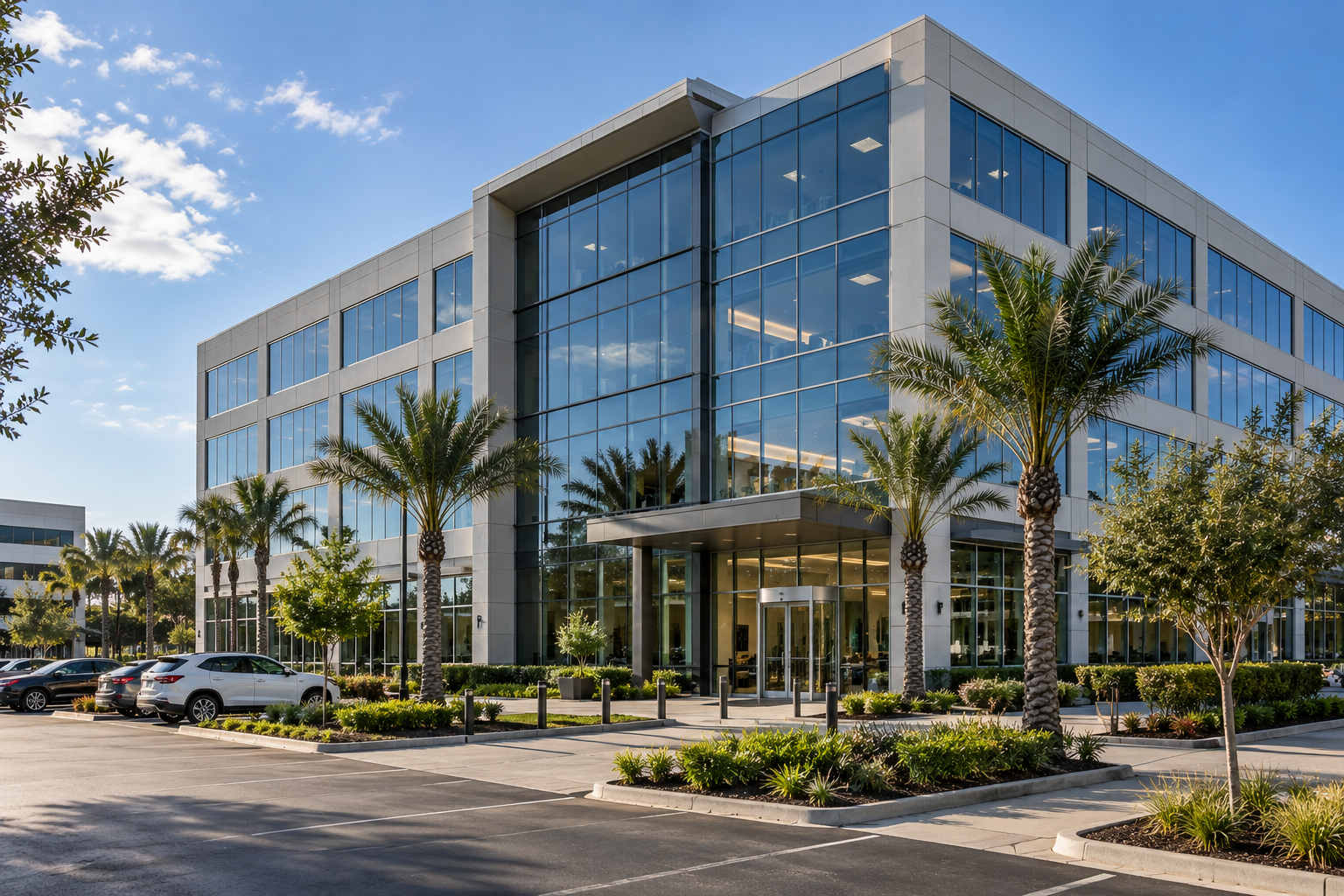
The office downturn is not only about empty desks, interest rates or refinancing. For CMBS-financed office properties, Trepp found that median annualized revenue grew 1.3% from 2021 through 2025 while operating expenses climbed 2.7%. NOI grew only 0.2% annually and declined in each of the past two years.
Insurance and Utilities Are Doing the Damage
Property insurance increased 6.1% annually from 2021–2025, while utilities rose 4.9%. In 2025, overall operating-expense growth slowed to 2.1%, but utility expenses accelerated to 6.7%. Payroll and benefits rose 3.3%, repairs and maintenance 3.2%, general and administrative costs 2.7%, and real estate taxes 1.1%.
Rent Growth Is Not Telling the Whole Story
Base rent increased 1.6% annually, but revenue outside base rent declined 3.8%. All seven regions Trepp analyzed had expense growth exceeding revenue growth. NOI declined in New York by 0.6%, Chicago by 1.9% and Houston by 0.6%.
Why This Matters
Stabilizing office properties may require more than filling vacant space. Owners also need to manage the growing cost of operating it. Revenue may get the headlines, but NOI is where the story ends.
Panama City Retail Update
Over the past year, 84 retail properties traded, representing roughly 590,000 square feet of inventory turnover. That is well above the five-year annual average of 160,000 square feet and more than triple the 10-year average of 180,000 square feet. Sales volume reached $112 million, compared with five- and 10-year annual averages of $101 million and $83.6 million.
Pricing Still Has Room to Run
Estimated Panama City retail pricing is $203 per square foot, below the $247 national average. General retail is estimated at $220, neighborhood centers at $183, strip centers at $198, power centers at $167 and malls at $158. The estimated market cap rate is 6.8%, compared with 7.4% nationally.
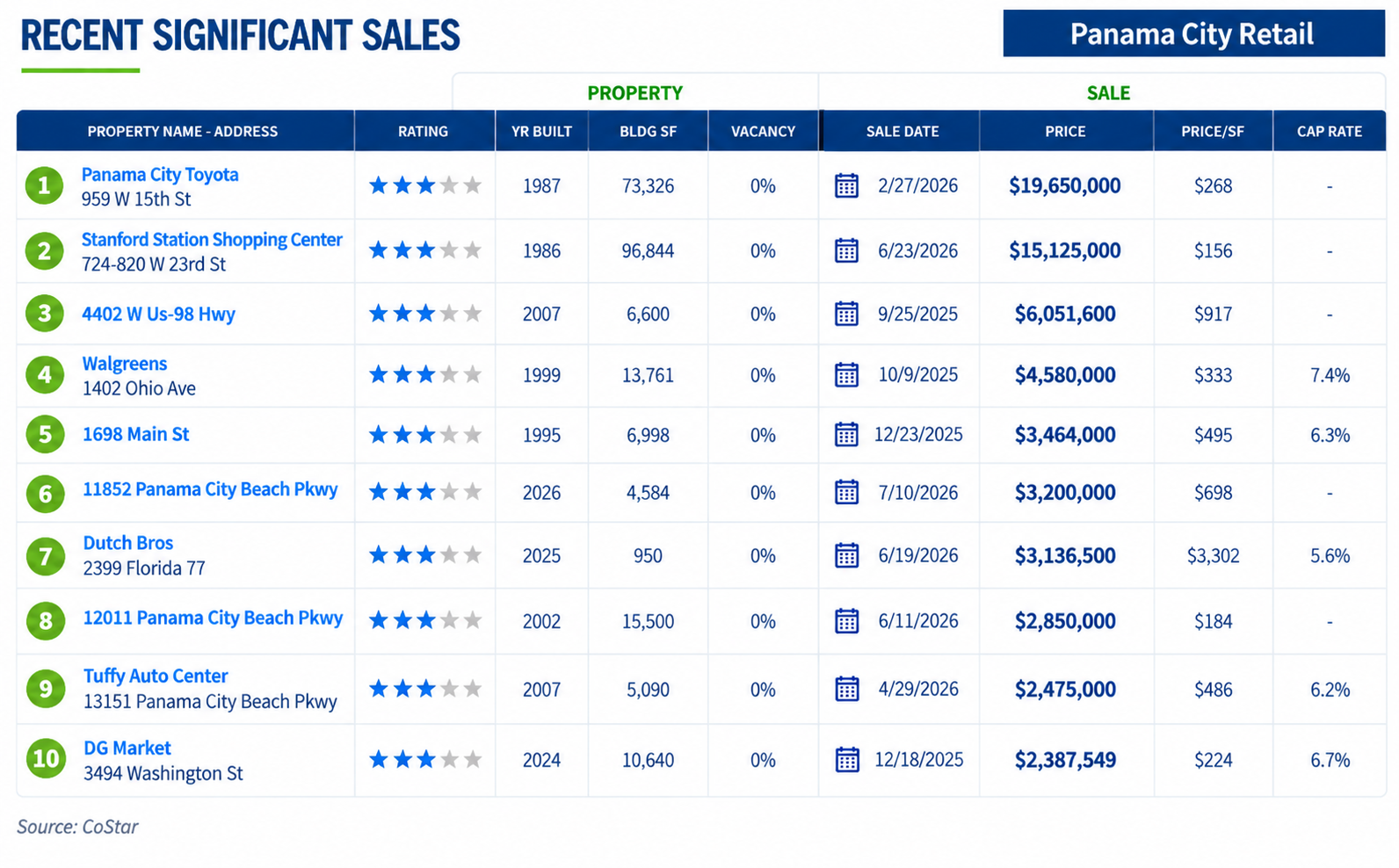
Recent Significant Sales—Panama City Retail
Why This Matters
Panama City is seeing significantly more retail inventory turnover than its historical averages. Higher trading activity, below-national-average pricing and a lower estimated cap rate make the market one to keep on the radar.
Overall Takeaway
The commercial real estate market increasingly rewards properties that can adapt, operate efficiently and compete for the right demand. In cold storage, flexibility is becoming part of the building itself. Luxury brands are concentrating capital where real estate can support a stronger customer experience. Multifamily performance depends more on local supply and demand, while office expense growth can offset modest revenue gains.
The broader message is that owning a good asset class is no longer enough. Flexibility, location, tenant demand, operating costs, supply and income growth increasingly determine whether an individual property can maintain its value.
If you are considering a sale, acquisition or lease strategy—or want to understand how your property is performing—Gulf Coast Property Group can help evaluate the numbers.
Start with a complimentary property valuation. Call (850) 203-5788 or contact our team.
Prepared by Gulf Coast Property Group