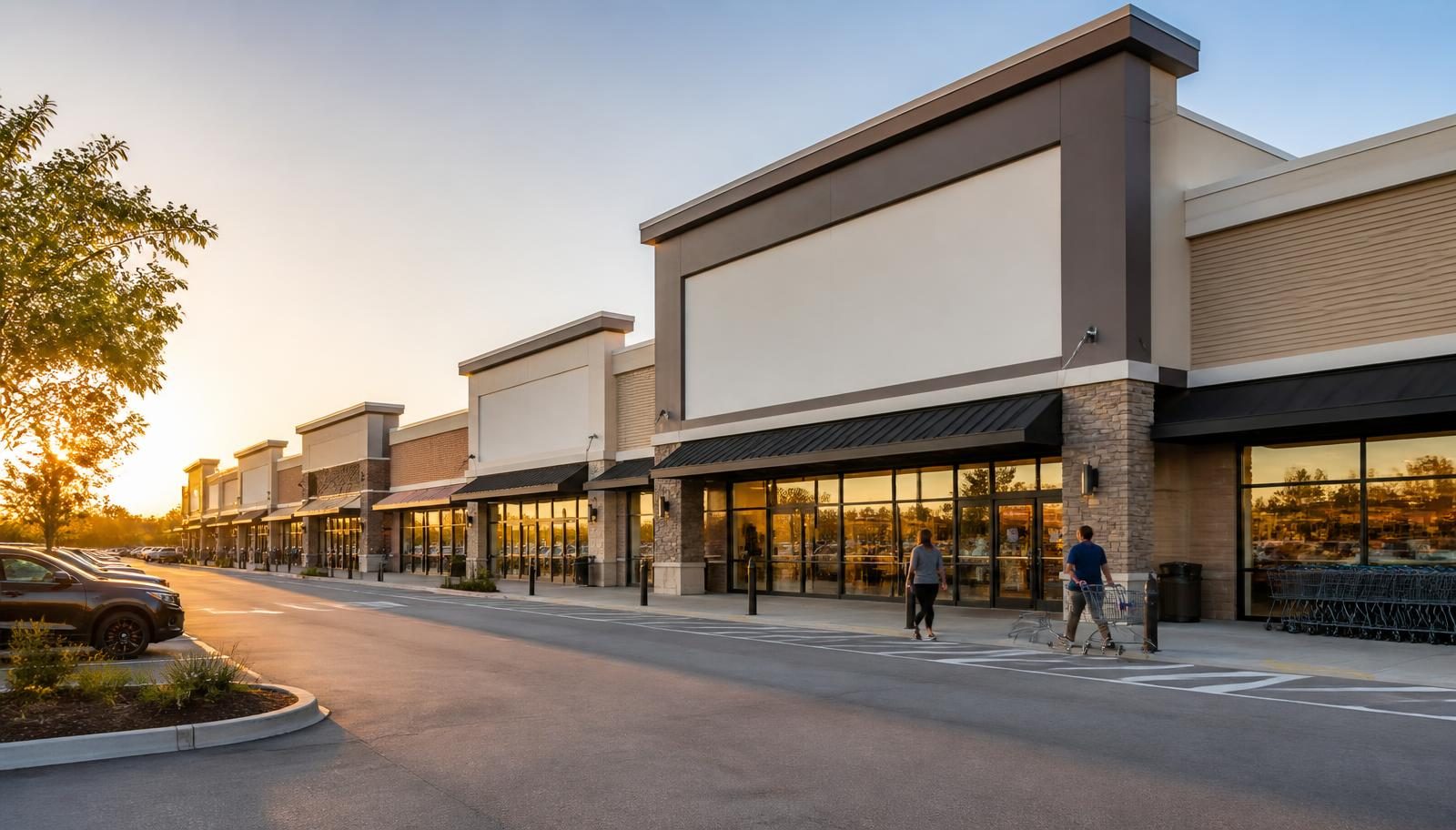
Why Grocery-Anchored Retail Centers Continue to Attract Investors
Commercial real estate has cycled through plenty of trends over the last decade, but one asset class keeps proving its staying power: the grocery anchored retail center. While office towers wrestle with remote work and hotels ride the ups and downs of travel demand, shopping centers built around a grocery store continue to draw steady interest from institutional and private investors alike. The reason is simple — people need to eat, and they need to buy household essentials every single week, regardless of what's happening in the broader economy.
This durability is exactly why grocery-anchored properties have become one of the most sought-after categories of retail investment property in today's market. Below, we break down what makes these centers so resilient, how they compare to other retail formats, and what investors should watch for when evaluating a potential acquisition.
The Power of Necessity-Based Retail
At the core of every grocery-anchored center is a simple concept: necessity based retail. Grocery stores, pharmacies, and other daily-needs tenants aren't optional purchases people can put off during a recession or an e-commerce boom. This gives grocery-anchored centers a built-in advantage over malls or lifestyle centers that depend heavily on discretionary spending.
Because grocery stores generate consistent, repeat foot traffic, the smaller in-line tenants that surround them — nail salons, dry cleaners, coffee shops, pet stores, and quick-service restaurants — benefit from the same reliable customer base. This "halo effect" is a major reason grocery anchors are considered the backbone of a healthy, diversified shopping center.
- Weekly grocery trips create predictable, recurring visits
- Co-tenants benefit from anchor-driven foot traffic
- Daily-needs categories are largely insulated from online-only competition
- Tenant mix tends to be more resistant to economic downturns
Why Investors Keep Coming Back
1. Resilient Cash Flow
Grocery tenants typically sign long-term leases — often 10 to 20 years with multiple renewal options — which provides investors with a dependable income stream. This stability is a key driver behind ongoing shopping center investment activity, especially among investors seeking predictable, bond-like returns from real estate. Lease structure matters here, much like it does with triple net leases.
2. Lower Volatility Than Other Retail Formats
Enclosed malls and big-box power centers have faced significant headwinds from e-commerce and shifting consumer habits. Grocery-anchored centers, by contrast, sell products that are difficult to replace with online shopping alone — perishables, fresh produce, and last-minute household items. This insulates the format from many of the disruptions reshaping other segments of retail.
3. Consistent Retail Property Value
Because cash flow is more predictable, retail property value for grocery-anchored assets tends to hold up better through market cycles. Appraisers and lenders alike view these properties as lower-risk, which often translates into more favorable financing terms — reflected in stronger debt service coverage — and stronger resale demand compared to other retail subtypes.
4. E-Commerce Resistance
Grocery shopping remains one of the retail categories least disrupted by online competition. While delivery and curbside pickup have grown, most consumers still prefer to select their own produce, meat, and perishables in person. That behavior continues to support physical store visits — and by extension, the retail centers built around them.
Commercial Retail Trends Favoring Grocery Anchors
Several broader shifts in the market are reinforcing investor confidence in this asset class:
- Population growth in suburban and secondary markets, where grocery-anchored centers often serve as the primary retail hub for surrounding neighborhoods
- Grocers investing in omnichannel strategies, such as buy-online-pickup-in-store, which increases store visits rather than replacing them
- Institutional capital rotating out of office and into retail and industrial, with grocery-anchored centers seen as a relatively low-risk entry point
- Limited new supply, as few developers are building new shopping centers, which supports the value of existing, well-located assets
These commercial retail trends suggest that grocery-anchored properties aren't just a defensive play — they're increasingly viewed as a core holding for a well-balanced commercial real estate portfolio. Organizations like ICSC and NAIOP regularly publish research tracking these shifts, offering useful benchmarks for investors evaluating the sector. Our Northwest Florida market report tracks many of the same dynamics locally.
What to Look for When Evaluating a Grocery-Anchored Center
Not all grocery-anchored properties are created equal. Investors should consider:
- Grocer strength and market share — A dominant regional or national grocery chain typically signals a healthier, longer-term tenancy.
- Lease structure — Look for long remaining lease terms, favorable renewal options, and reasonable rent escalations.
- Demographics and trade area — Population density, household income, and daily traffic counts around the site matter significantly.
- Co-tenant mix — A diverse, complementary tenant roster reduces vacancy risk and strengthens the center's overall appeal.
- Physical condition and parking — Deferred maintenance or inadequate parking can quietly erode a center's long-term value.
If you're building out an acquisition strategy, it's worth reviewing our guide to evaluating retail investment properties for a deeper breakdown of underwriting considerations, along with our due diligence checklist before you commit capital.
Frequently Asked Questions
What is a grocery-anchored retail center?
A grocery-anchored retail center is a shopping center where a grocery store serves as the primary tenant, driving foot traffic that benefits the surrounding smaller retailers, restaurants, and service tenants.
Why are grocery-anchored centers considered a safe investment?
Because groceries and daily essentials are necessity-based purchases, these centers tend to maintain steady customer traffic and rental income even during economic downturns, making them lower-risk than discretionary-focused retail formats.
Are grocery-anchored centers a good hedge against e-commerce?
Yes. Grocery shopping remains one of the retail categories least impacted by online competition, since most shoppers still prefer to buy perishables and fresh goods in person.
The Bottom Line
Grocery-anchored retail centers have earned their reputation as one of the most stable and attractive segments of commercial real estate. Their combination of necessity-based demand, long-term leases, and resilience against e-commerce disruption makes them a compelling choice for investors seeking durable, income-producing assets — even as broader retail trends continue to evolve.
Ready to Explore Grocery-Anchored Retail Opportunities?
Connect with our commercial real estate team today to discuss current listings, underwriting support, and acquisition strategy tailored to your investment goals.
Call (850) 203-5788