
Apartments, Warehouses & Retail Keep Defying Expectations
☕ Good Morning!
It's amazing how much can change without the headlines getting louder.
This week wasn't about blockbuster announcements—it was about subtle shifts that could have outsized impacts in the months ahead. The Fed is quietly managing liquidity, renters are filling apartments faster than they're being built, warehouse demand is accelerating again, retail keeps outperforming expectations, and West Palm Beach is tapping the brakes on one of the country's hottest development markets.
None of these stories will move markets overnight. But together, they paint a picture of a commercial real estate landscape that's steadily evolving beneath the surface.
Let's dive into what you need to know before the workday begins.
Fed Pumps the Brakes—But Keeps the Engine Running
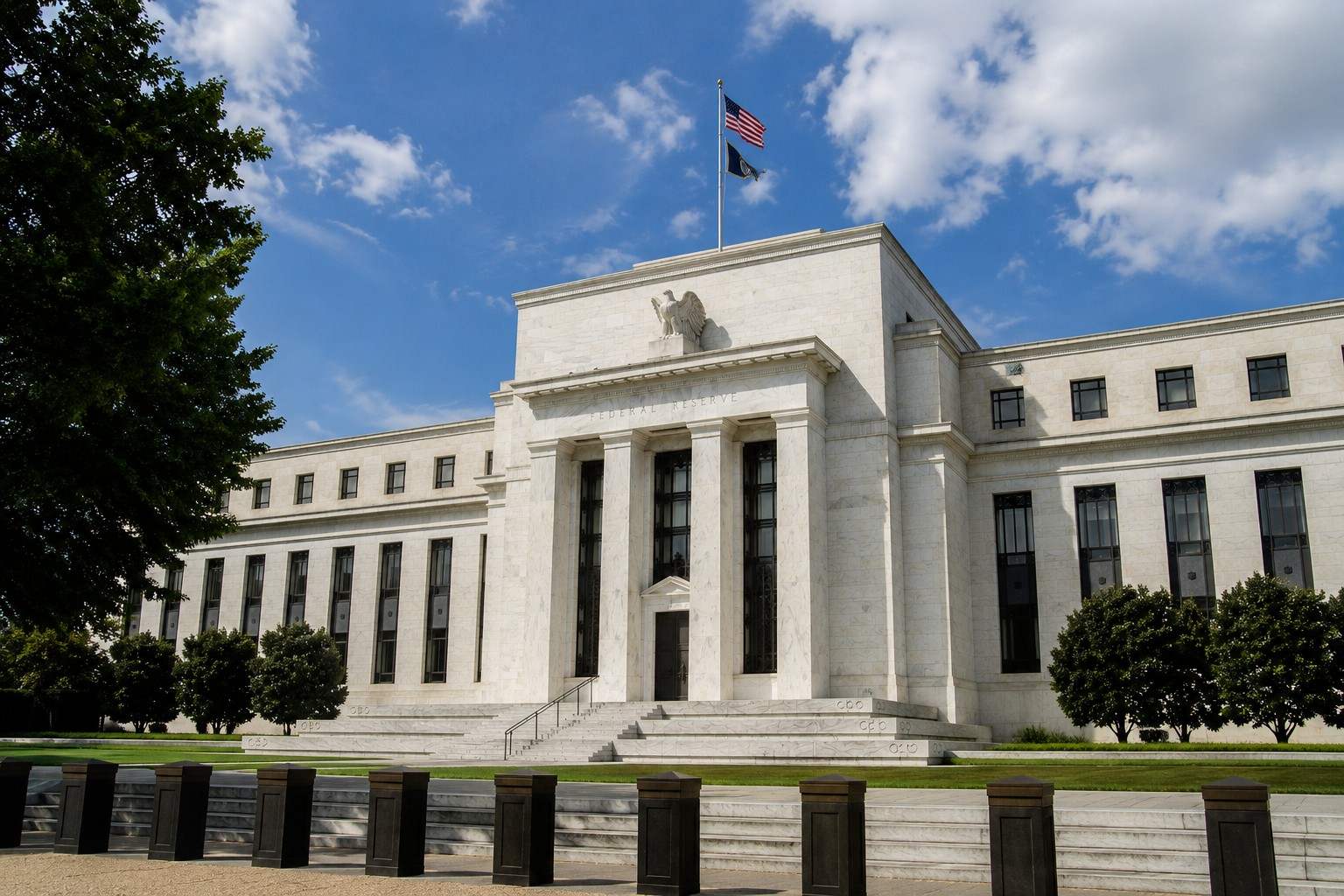
The Fed's playing plumber… and it's watching the pipes.
The Federal Reserve just hit the copy-paste button on its reserve management strategy, keeping Treasury bill purchases at $10 billion through August 13. While that number hasn't budged since May, the backdrop certainly has. Treasury is gearing up to flood the market with more T-bills and rebuild its cash balance above $1 trillion—a move that typically siphons cash out of the banking system.
Translation? The Fed is keeping a steady drip of liquidity flowing without turning the faucet all the way on.
Why the caution? Policymakers still have flashbacks to past funding market hiccups and don't want reserves falling too quickly. Even though bank reserves have climbed to $3.14 trillion(up from $2.85 trillion at the end of 2025), the central bank is choosing flexibility over fireworks. Officials have made it clear they'll adjust purchases if money markets start acting up.
Why it matters
For commercial real estate investors, this is one of those behind-the-scenes stories that quietly impacts everything. More Treasury issuance can tighten liquidity, push funding costs higher, and make financing acquisitions more expensive. Meanwhile, the SOFR funding rate has remained unusually soft, suggesting today's plumbing is working—but everyone is keeping an eye on the gauges.
What's Next?
The Fed will revisit its purchase pace after August 13, with repo markets, Treasury issuance, and reserve levels driving the conversation. If liquidity tightens faster than expected, don't be surprised if the Fed tweaks the dial again. In today's market, the smallest moves beneath the surface can create the biggest waves above it.
Apartment Demand Is Back—But Landlords Aren't Celebrating Just Yet
Renters are moving in. Rents? They're still moving down.
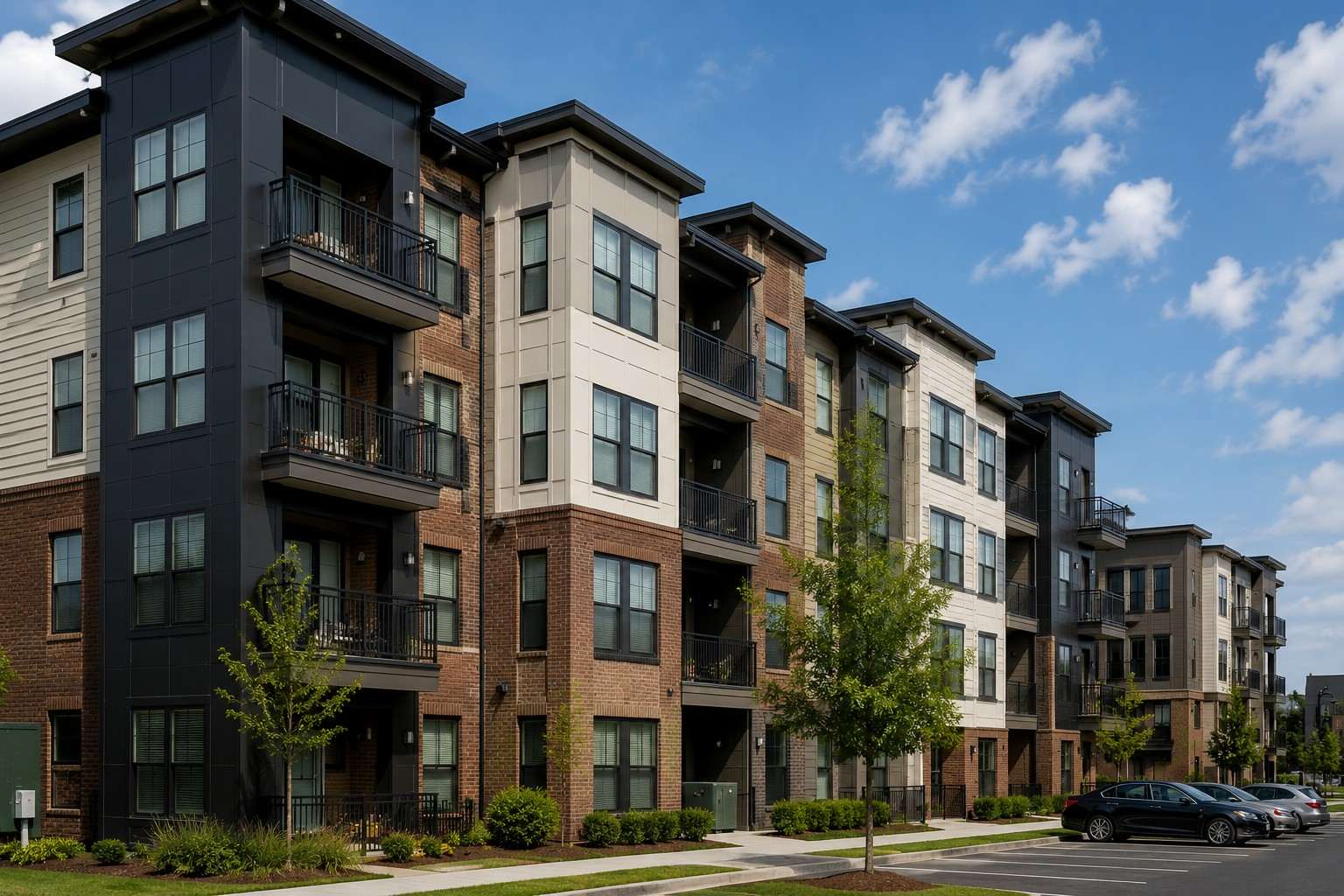
The multifamily market just delivered its strongest demand since mid-2024, proving that renters haven't gotten the recession memo. Net absorption reached 124,600 apartments in Q2—the fifth-highest quarterly total in nearly 25 years—while vacancy dipped below 9% for the first time since 2024.
The surprise? This happened despite sluggish job growth, slower immigration, and cooling population gains. In other words, apartment demand is outperforming the economic script.
The Sun Belt is still stealing the spotlight, with Dallas-Fort Worth, Phoenix, Atlanta, and Austin leading the nation in new lease activity. Even better for owners, apartment demand over the past year finally outpaced new deliveries for the first time since early 2022—a sign that the supply wave may finally be cresting.
Why it matters
Before landlords start popping champagne, there's one catch: rents are still slipping.The national median asking rent sits around $1,700, down 1.5% year over year and roughly 4% below the 2022 peak. Studio apartments took the biggest hit, posting a 2.2% annual decline.
But the outlook may be shifting. Multifamily permitting has slowed to its weakest pace since 2019 in several major metros, meaning tomorrow's supply pipeline is getting a lot thinner. If demand continues humming while construction cools, today's renter-friendly market could gradually swing back toward landlords.
What's next?
Keep an eye on the construction pipeline. As fewer new projects break ground and existing supply gets absorbed, rent growth could begin making a comeback in 2027. The apartment market may finally be transitioning from "too much supply" to "not enough new inventory."
Big Boxes Are Back—And Landlords Are Calling the Shots Again
Mega warehouse leases are making a major comeback.
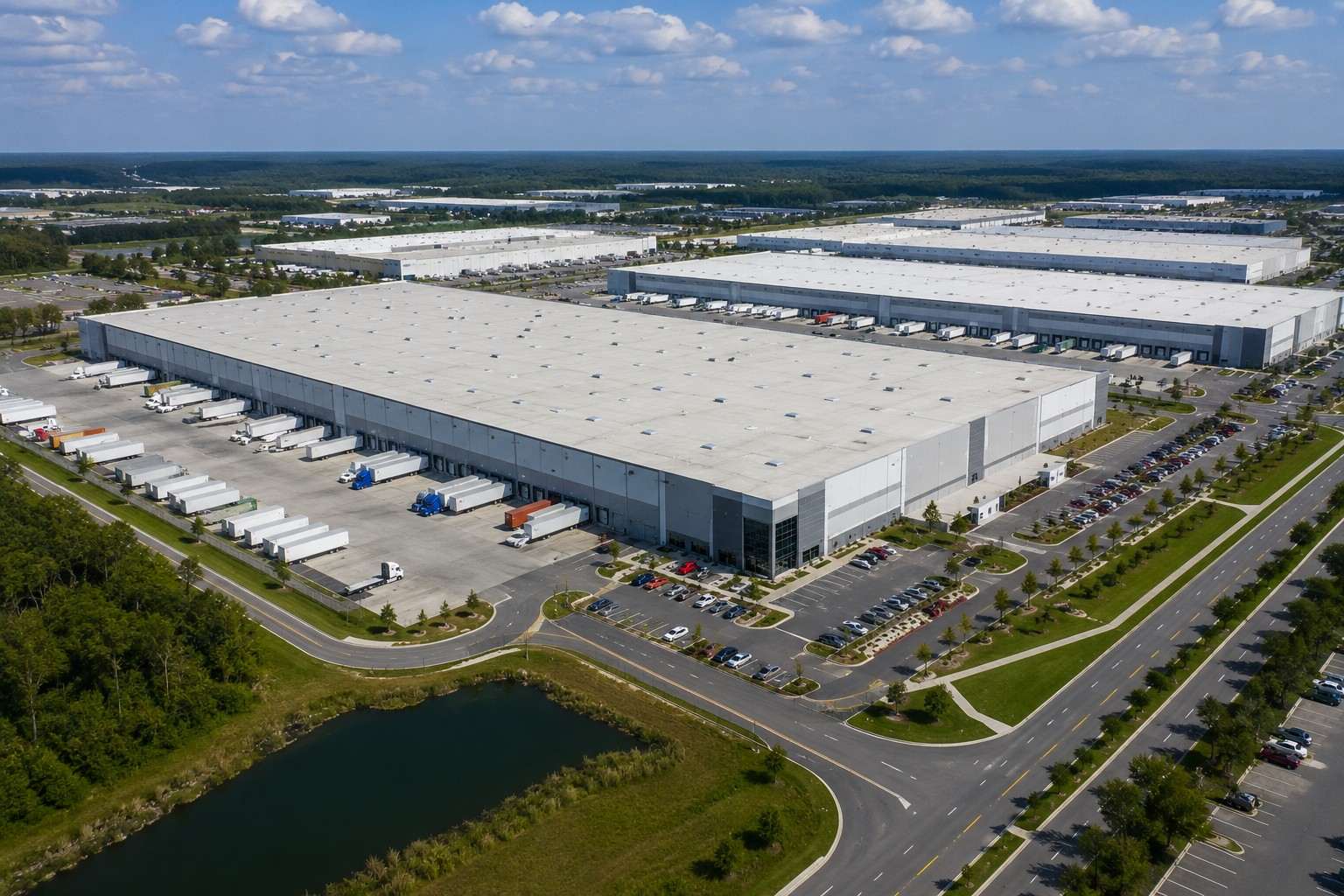
The industrial market's biggest comeback story isn't happening in small warehouses—it's happening in the really, really big ones. Companies are snapping up distribution centers larger than 500,000 square feet, helping erase the warehouse glut left behind by the post-pandemic building boom.
After years of oversupply, vacancy for warehouses 750,000 SF and larger has fallen to 7.3%, down from 8.3% a year ago. Meanwhile, leasing activity has surged to 490 million square feet, its strongest pace since the 2022 logistics frenzy.
What's driving the rebound? Companies are rethinking supply chains, keeping more inventory closer to customers, and consolidating multiple older facilities into modern, high-efficiency Class A warehouses. Translation: bigger buildings are back in fashion.
Why it matters
The balance of power has officially shifted.
Landlords, who spent much of the past two years offering concessions to fill empty space, are regaining leverage. Renewals for warehouses larger than 500,000 SF are seeing rent escalations of more than 84%—more than double the growth seen in smaller industrial leases.
Third-party logistics (3PL) providers are also fueling the momentum, accounting for more than 20% of all industrial leasing activity as companies continue investing in faster, more resilient distribution networks.
What's next?
Expect the momentum to continue through the rest of 2026. Developers are slowing new construction just as demand for premium logistics facilities heats up—a combination that could tighten vacancy even further and keep rents climbing. For industrial owners, the pandemic supply hangover may finally be over. For tenants, the race for top-tier warehouse space is just getting started.
Retail Refuses to Tap Out
Despite economic jitters, shoppers—and retailers—are still showing up.
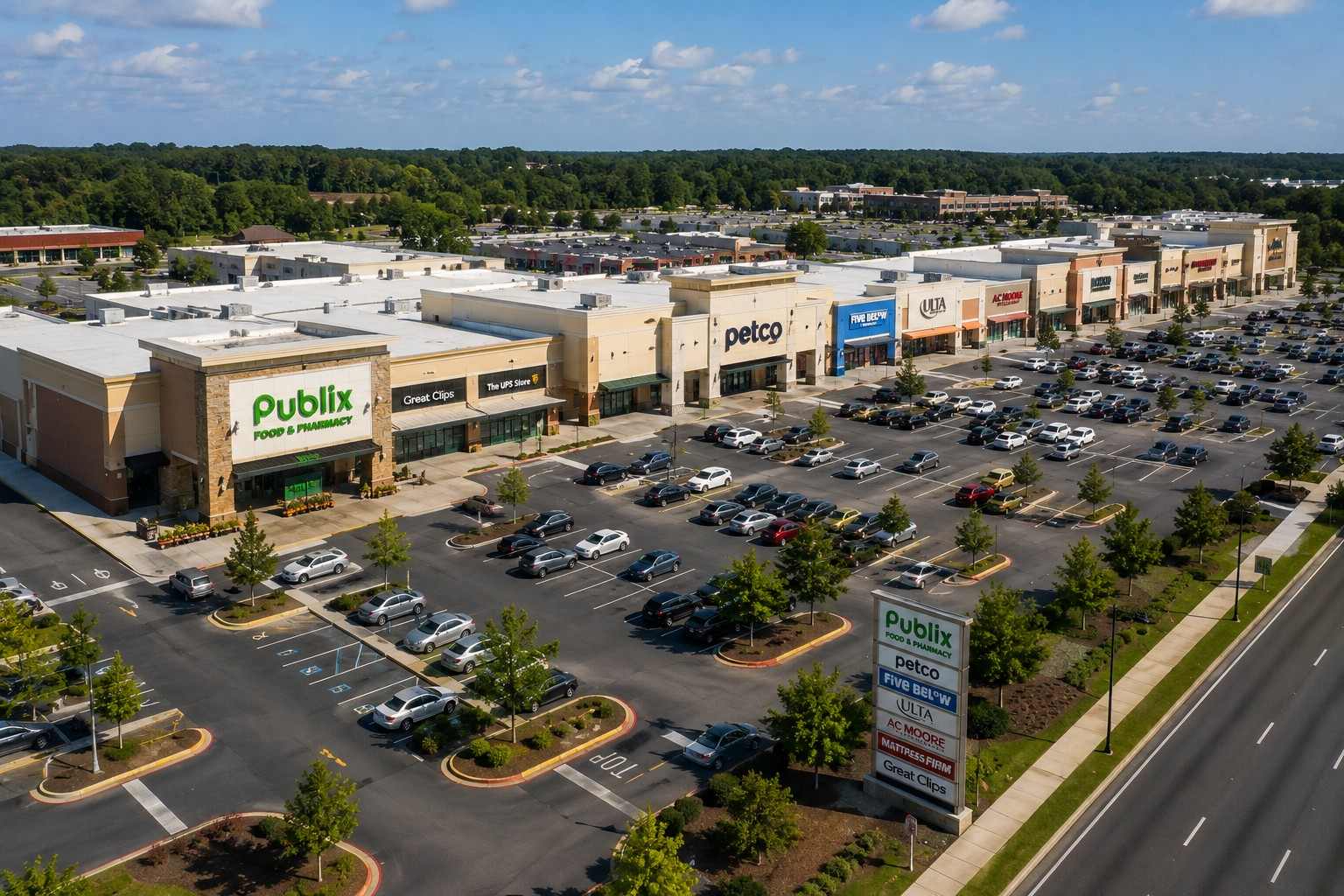
If you thought retail was about to hit the brakes, think again. The US retail market held its ground in Q2 2026, with vacancy staying at a remarkably low 4.4% as strong consumer demand and limited new construction kept the sector firing on all cylinders.
Leasing activity bounced back in a big way, with 10.2 million square feet of net absorption during the quarter.
Retailers aren't just expanding—they're getting strategic. Value brands, grocery-anchored centers, and experience-driven concepts are leading the charge, while competition for well-located storefronts remains fierce thanks to a painfully thin development pipeline.
In short: there aren't many quality spaces available, and everyone wants them.
Why it matters
Retail has quietly become one of commercial real estate's steadiest performers.
Developers are still battling high construction costs and expensive financing, keeping new supply in check. That scarcity is giving landlords more leverage, with average asking rents climbing to $26.02 per square foot despite broader economic uncertainty.
Consumers are doing their part, too. National foot traffic rose 2.2%, with discount retailers, dollar stores, and experiential tenants posting some of the strongest gains. Even higher gas prices weren't enough to keep shoppers home—they're simply spending more selectively.
What's next?
Don't expect the momentum to fade anytime soon. As long as new development remains limited and consumers continue prioritizing convenience and value, retail fundamentals should stay remarkably healthy. Grocery-anchored centers, neighborhood retail, and small-format spaces are likely to remain the hottest tickets heading into the second half of 2026—and landlords finally have the upper hand.
Office Is Looking Better… Because There's Less of It
The office comeback is real—but it's being powered by subtraction, not expansion.
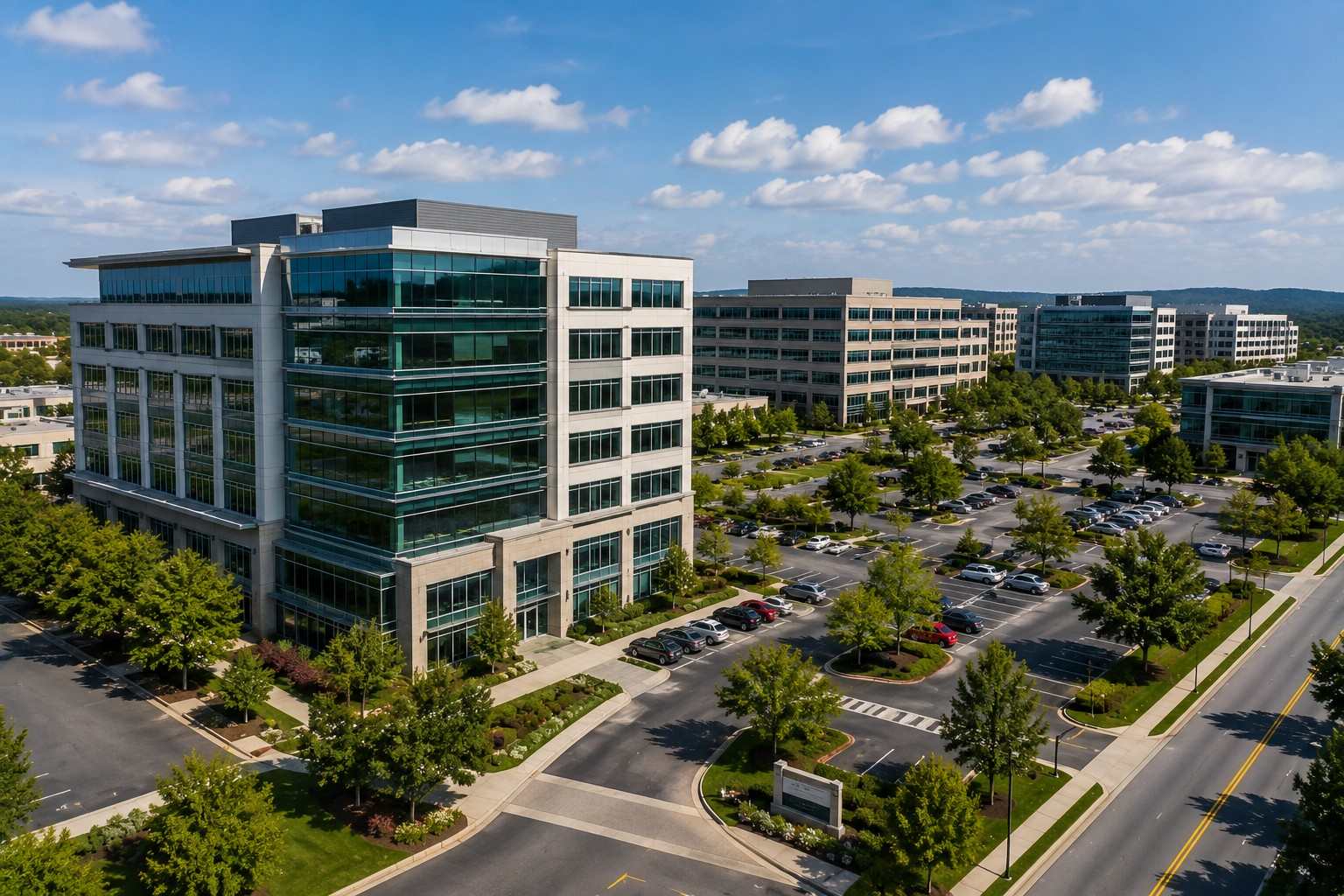
The US office market is finally showing signs of stabilization—not because tenants are dramatically expanding, but because obsolete inventory is quietly disappearing. Older buildings are being converted, demolished, or repositioned, gradually shrinking overall supply and helping the market find its footing.
Why it matters
Not all offices are benefiting equally.
Companies are still downsizing, with average lease sizes 14.6% smaller than in 2019, and overall leasing activity remains well below pre-pandemic levels. But when tenants do sign deals, they're increasingly choosing trophy and Class A buildings, leaving older offices further behind.
That shift is also restoring landlord leverage. Tenant concession packages have begun shrinking for the first time in five years, while trophy buildings now command rents roughly 50% higher than Class B properties. Investors are following the same playbook, with 57% of office sales volume this year involving top-tier assets.
What's next?
The office market is becoming smaller—but stronger at the top. As obsolete buildings continue exiting the market and new construction remains limited, premium offices should see tighter availability, firmer rents, and growing investor interest. For everyone else, the recovery remains a work in progress.
West Palm Beach Hits Pause on Waterfront Boom
One of America's hottest development markets just pressed the pause button.
West Palm Beach has spent the last few years racing to become the "Wall Street of the South." Now, city leaders are asking everyone to slow down.
The City Commission has approved the first reading of a temporary moratorium that would pause new projects requiring rezoning along six blocks of the downtown waterfront through January 2027. The goal? Give planners time to rethink zoning rules before another wave of luxury towers reshapes one of the city's most coveted corridors.
The proposal comes as developers—including Related Ross and Beko Equities—have assembled several aging waterfront condominium properties that could pave the way for hundreds of millions of dollars in future redevelopment. But residents are increasingly pushing back, arguing the city is growing faster than its planning process.
Why it matters
This isn't just about one stretch of waterfront—it's about who gets to shape West Palm Beach's future.
The city has become one of the country's fastest-growing commercial real estate markets, fueled in large part by Stephen Ross' multibillion-dollar vision to transform the area into a financial hub. Yet as cranes multiply, so have concerns over building heights, density, neighborhood character, and transparency in the approval process.
A temporary pause gives officials time to study whether existing zoning rules still fit the city's long-term vision—and whether future projects should face tighter height limits or density restrictions.
What's next?
The ordinance still requires a second vote before taking effect, but the message is already clear: West Palm Beach isn't saying "no" to development—it's asking developers to wait while the city rewrites the playbook. For investors and builders, the outcome could reshape one of South Florida's most active waterfront markets for years to come.
Overall Takeaway
This week's headlines were less about surprises and more about confirmation.
The trends that have been quietly building for months—strong industrial demand, resilient retail, a reshaping office market, disciplined development, and cautious monetary policy—are becoming harder to ignore. The market isn't making dramatic turns; it's steadily settling into its next chapter.
Sometimes, the biggest signal isn't a sudden shift—it's the consistency.
Considering your next commercial real estate move? Gulf Coast Property Group helps owners and investors navigate today's market. Contact us at (850) 203-5788 or learn more about our investment partnerships.