
Capital Is Moving—Here's Where
☕ Good Morning!
If this week's commercial real estate market had a theme, it'd be reinvention.
Banks are lending again. Office buildings are becoming apartments. Battery farms are becoming an investable asset class. Even small-bay industrial is quietly stealing the spotlight while apartment owners grapple with the hidden cost of filling vacancies.
The common thread? Capital is flowing—but it's flowing differently.
Investors are chasing resilience over speculation, prioritizing sectors backed by long-term demand, stable cash flow, and infrastructure that powers tomorrow's economy. Whether it's financing data centers, repurposing obsolete office towers, or betting on battery storage, commercial real estate is proving once again that it doesn't stand still—it adapts.
Let's dive into the stories shaping where capital is headed next.
Big Banks Are Back in the Lending Game
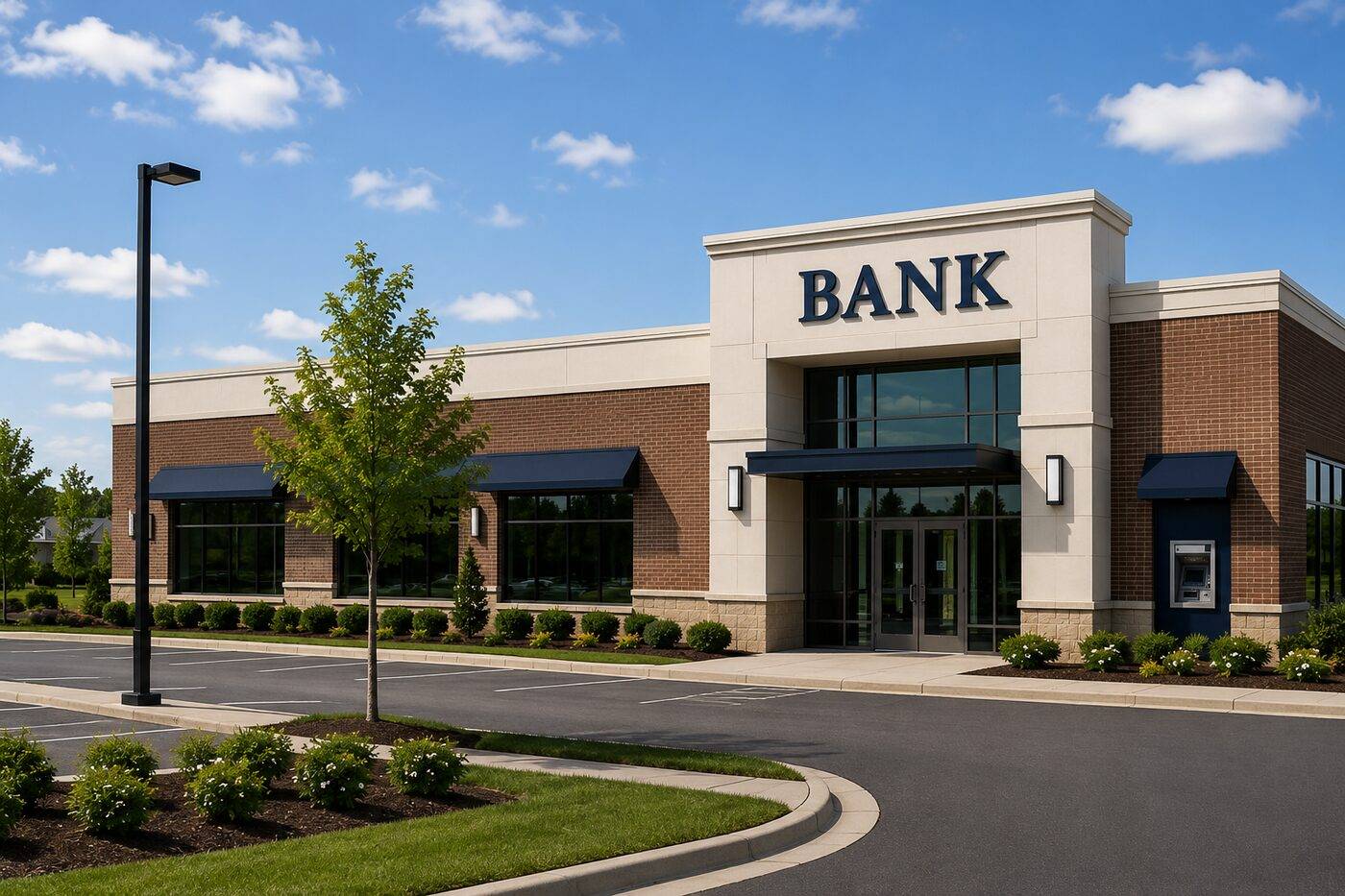
The Comeback Nobody Saw Coming
Commercial real estate lenders are dusting off their checkbooks.
After spending the past few years avoiding CRE like it was a group project gone wrong, America's biggest banks are making a noticeable return. In Q2 2026, Bank of America and U.S. Bancorp each grew their CRE loan portfolios by 8%, PNC climbed 15%, and Truist surged 25%. Even bigger? Total U.S. bank CRE loans have now reached $3 trillion, while new originations exploded 80% year over year to $455 billion.
🎯 But They're Being Picky
Don't mistake this for an open invitation.
Banks are aggressively pursuing multifamily, data centers, industrial, and logistics—asset classes backed by strong demand and favorable long-term fundamentals. Meanwhile, office properties are still sitting in the penalty box as lenders remain cautious about vacancy risk and refinancing challenges.
Credit committees are also tightening standards, favoring experienced sponsors, lower leverage, and higher-quality assets. Some institutions, like Bank OZK, are still reducing CRE exposure altogether, proving this recovery isn't universal.
Why This Matters
More bank capital means more liquidity, stronger competition, and potentially lower borrowing costs for high-quality deals. That could put pressure on private credit funds and alternative lenders that filled the financing gap over the past several years.
The second half of 2026 is shaping up to be a battle for the best assets. Expect financing to become more competitive for stabilized multifamily, industrial, and digital infrastructure projects—while office borrowers may need to wait a little longer for the welcome mat.
Battery Storage Just Became CRE's Hottest New Asset Class
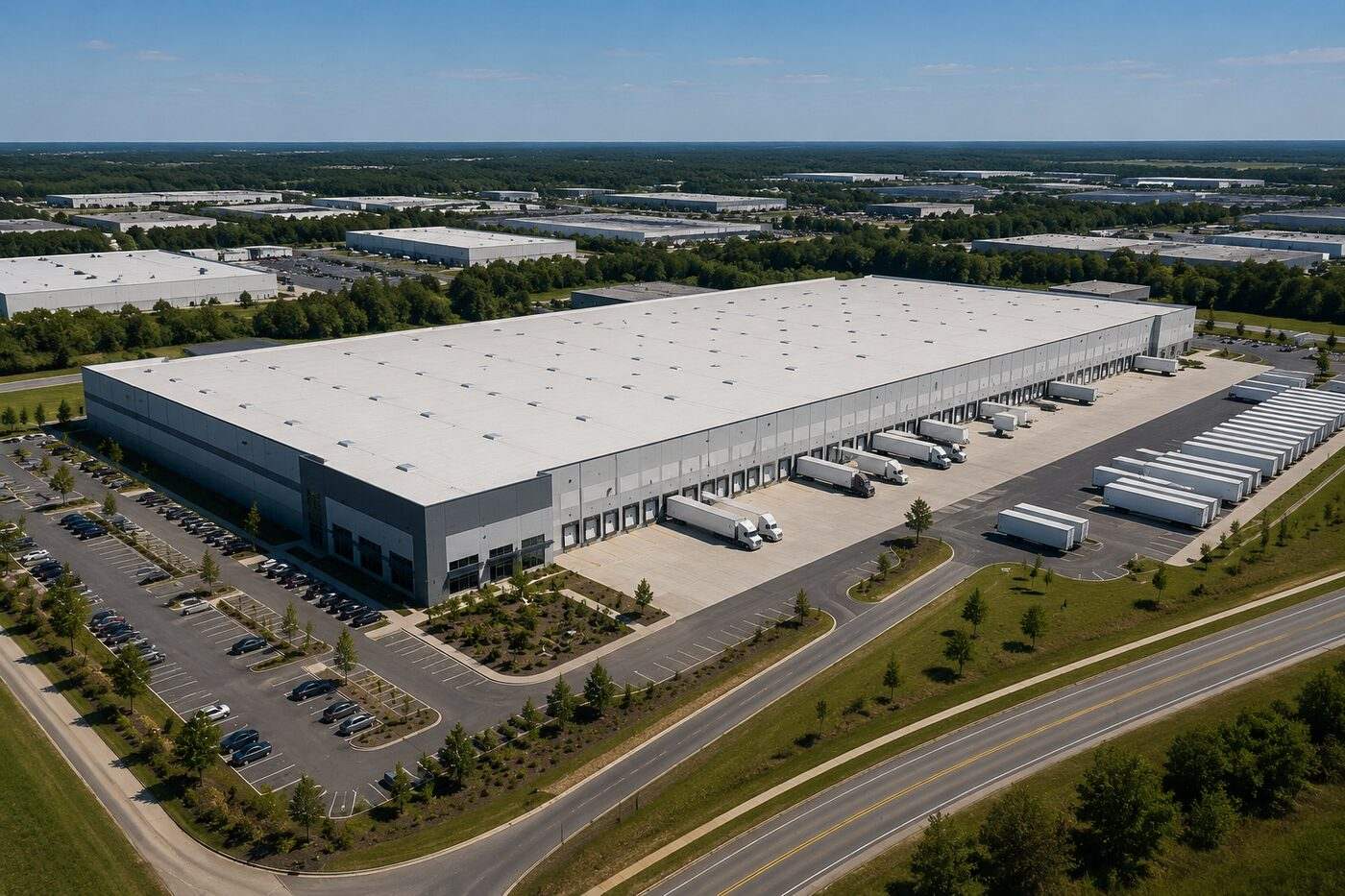
Real Estate's New Power Move
Forget location, location, location.
The newest must-have asset in commercial real estate might just be a field full of giant batteries.
As AI, data centers, and electrification push America's power grid to its limits, investors are racing to own Battery Energy Storage Systems (BESS)—the infrastructure that stores electricity when supply is plentiful and delivers it when demand spikes. The momentum is impossible to ignore: Brookfield just dropped $7 billion to acquire battery storage developer Aypa, while industry forecasts expect the U.S. battery storage market to grow 250% over the next five years.
⚡ More Than Backup Power
Battery storage isn't just about keeping the lights on. For commercial property owners, it's becoming a powerful value-add that can:
- Lower electricity costs during peak demand.
- Speed up utility interconnections for new developments.
- Generate recurring revenue.
- Improve resiliency for critical facilities.
It's no surprise that data centers, industrial campuses, hospitals, universities, and logistics facilities are rapidly adopting on-site battery systems.
💰 Land Is the New Battery Play
The real opportunity may not be the batteries themselves—but the dirt beneath them.
Companies like SolaREIT and NineDot Energy are turning underutilized land, parking lots, and industrial yards into long-term battery sites, offering landowners stable triple-net lease income with minimal ongoing responsibilities. Some sites are reportedly generating $10–$30 per square foot per month, making battery storage look increasingly similar to the early days of cell tower investing.
Why This Matters
Commercial real estate is no longer just consuming power—it's becoming part of the energy infrastructure.
As utilities struggle to keep pace with demand from AI and data centers, battery storage is emerging as a new real estate asset class that blends infrastructure, energy, and CRE investing. While safety concerns and local opposition remain hurdles, the economics are becoming difficult to ignore.
Bottom line: In the race to power the AI economy, owning the place where electricity gets stored may prove just as valuable as owning the building that uses it.
Multifamily's Occupancy Hack Is Coming With a Price Tag
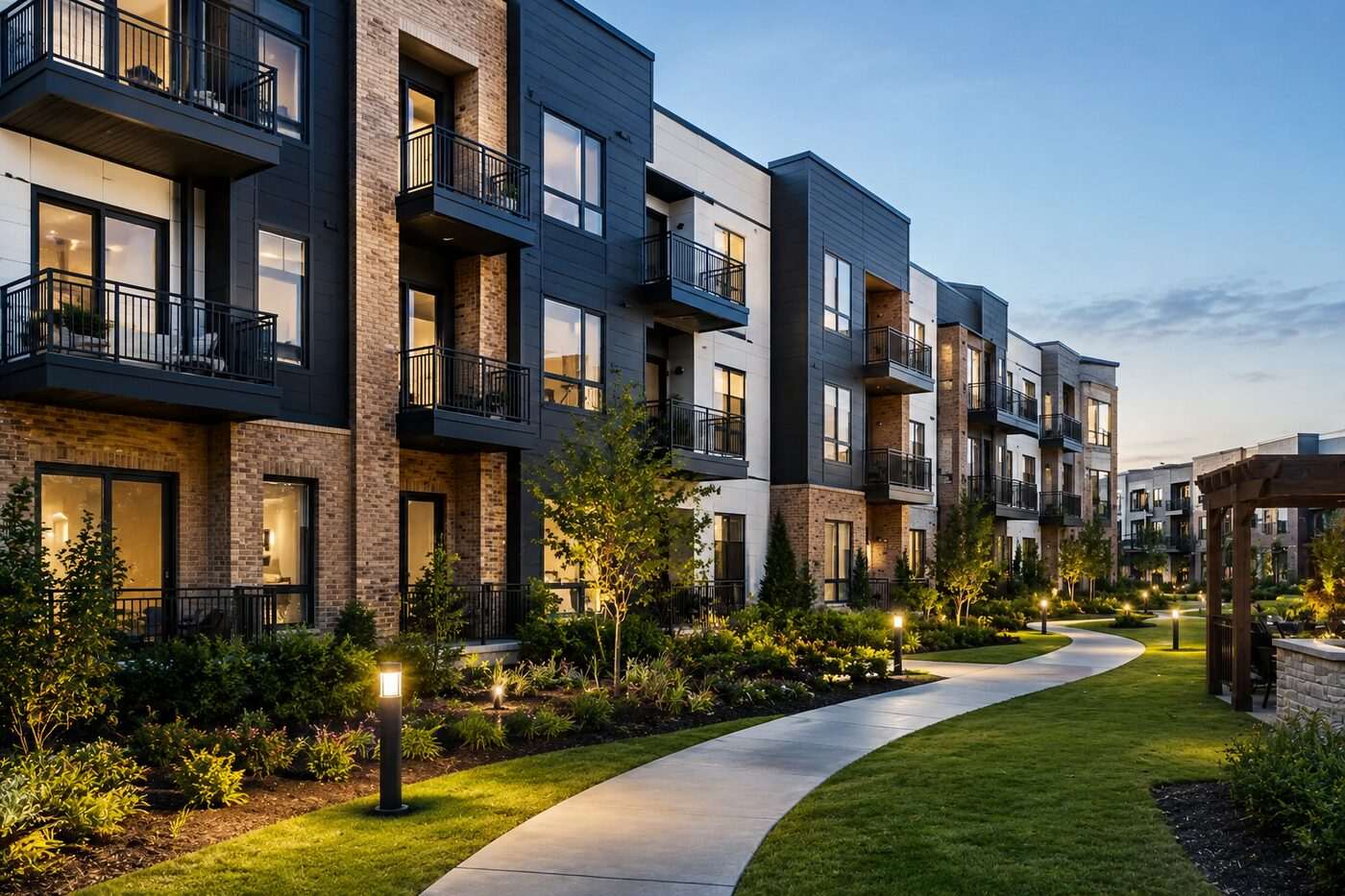
Apartment owners have found a reliable way to keep buildings full: give renters free stuff.
One month free. No security deposit. Move-in specials everywhere.
The problem? Those incentives may be solving today's leasing problem while creating tomorrow's cash flow headache.
With more than $800 billion in multifamily debt maturing over the next two years—including roughly 13% of multifamily mortgages coming due in 2026—owners are under pressure to keep occupancy high as they prepare for refinancing. Concessions have become the go-to strategy, but they're also quietly increasing financial risk.
The Hidden Cost of "Free"
Waiving deposits and offering rent discounts may get leases signed, but they also leave owners with less protection when tenants move out. The numbers tell the story:
- 40% of apartment properties are now offering some form of rent concession.
- 20% of new leases require no security deposit.
- Median outstanding rental balances have climbed to $3,200.
- Average move-out balances now sit around $2,250.
That means more unpaid rent, higher collection costs, and weaker operating performance—exactly what lenders don't want to see during refinancing.
Not Every Market Is Feeling the Pain
Concessions are hitting hardest in supply-heavy Sun Belt markets like Austin, San Antonio, Denver, Florida, and the Carolinas, where developers delivered a flood of new apartments over the last several years.
Meanwhile, markets like New York, San Francisco, Orange County, and much of the Midwest remain relatively insulated, with stronger demand allowing landlords to hold the line on pricing.
There is one bright spot: Class A properties are beginning to scale back incentives as new construction slows. But lower-end Class C communities are seeing concessions continue to climb as affordability pressures squeeze renters.
Why This Matters
For years, investors viewed concessions as a marketing expense. Increasingly, they're becoming an underwriting issue.
As lenders scrutinize property performance ahead of a massive refinancing wave, operators that rely heavily on giveaways may find themselves trading occupancy for weaker cash flow and higher bad debt. That has sparked growing interest in alternatives that reduce upfront costs for renters while still protecting owners from losses.
Bottom line: Free rent may fill apartments today—but if it comes at the expense of collections and cash flow, owners could end up paying for those "free" months long after the lease is signed.
It's Not the Shopper—It's the Store
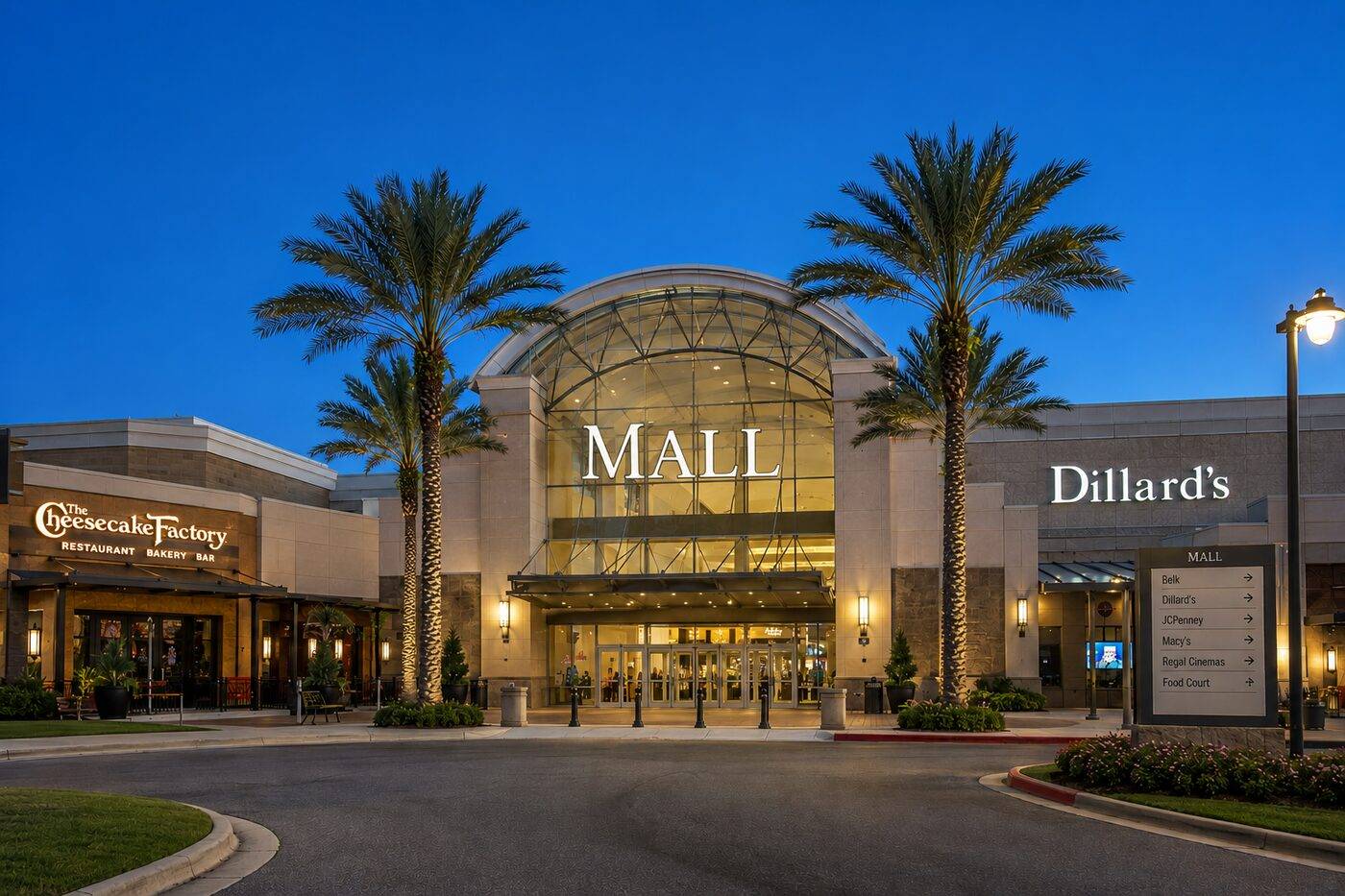
Retail CMBS Has a Property Problem, Not a Consumer Problem
If you've been blaming cautious consumers for retail real estate distress, Trepp has a different suspect.
According to new research, retail CMBS delinquencies are being driven far more by property type than by consumer spending or wage growth. In fact, states with the strongest real wage growth since 2022 actually posted higher retail CMBS delinquency rates than slower-growing states—a result that flips the conventional narrative on its head.
The Real Culprit? Asset Mix.
The difference comes down to what's backing the loans. States with stronger wage growth tend to have retail CMBS pools weighted toward large, aging enclosed malls and legacy big-box formats that face structural headwinds regardless of consumer strength.
Meanwhile, states with weaker wage growth are more heavily weighted toward community and neighborhood shopping centers, which continue to outperform thanks to grocery anchors, service-oriented tenants, and everyday consumer traffic.
A Good Economy Can't Save a Bad Box
Trepp highlighted several properties that underscore the trend.
The Oaks Mall in Gainesville sits next to the University of Florida—hardly a weak consumer market—but still landed in special servicing. Likewise, a former K-Mart property near Boston struggled despite strong local purchasing power because the retail format itself had become obsolete.
The lesson? Strong demographics can't fix an outdated asset.
Why This Matters
Retail investors have spent years watching economic indicators for clues about credit performance. But this cycle suggests they may be watching the wrong data.
For lenders and CMBS investors, property format is emerging as the biggest predictor of performance. Grocery-anchored centers and neighborhood retail continue to show resilience, while aging malls and legacy big-box properties face mounting pressure regardless of how healthy local consumers are.
Bottom line: In retail real estate, the biggest risk isn't whether shoppers have money—it's whether the property still gives them a reason to show up.
When Buildings Get Cheaper, Conversions Get Easier
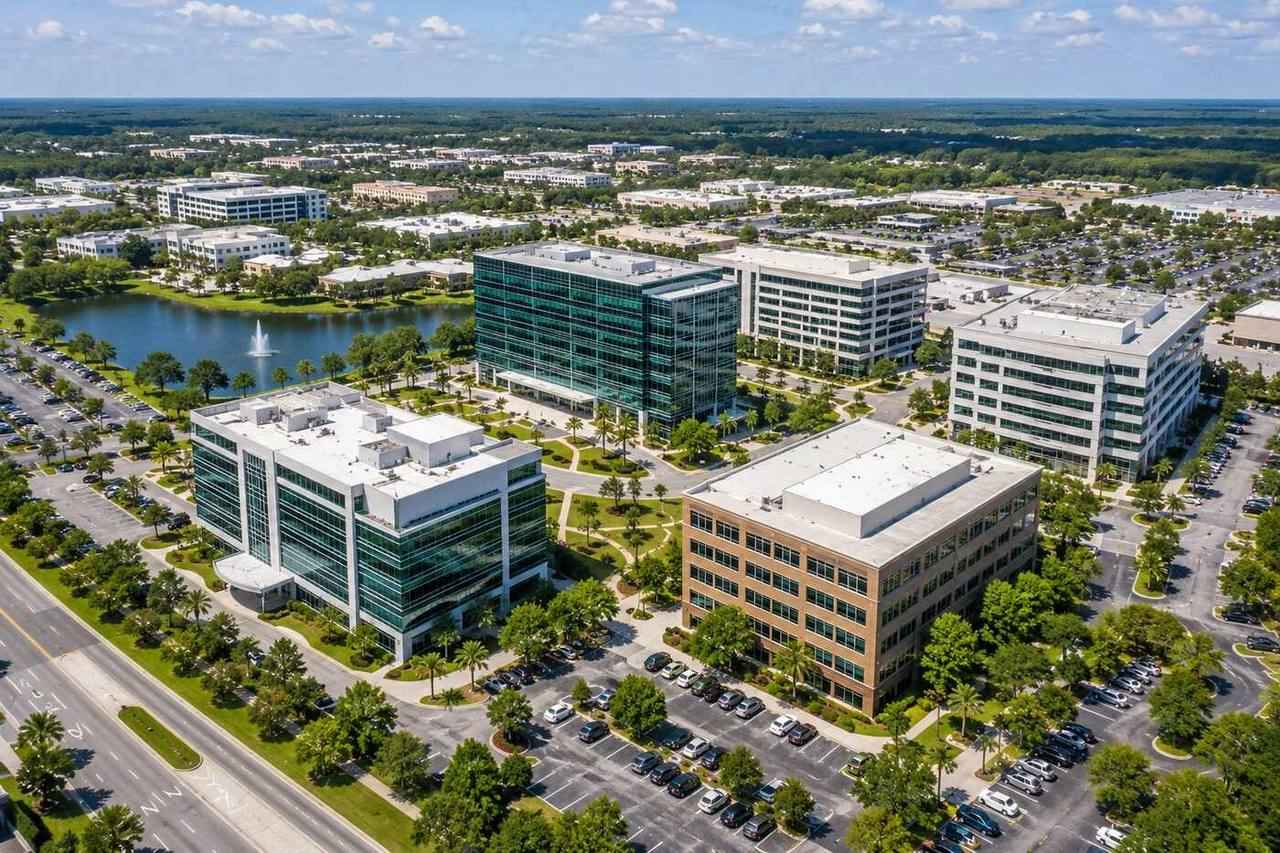
For years, office-to-apartment conversions sounded great in theory. Today, they're increasingly viable in practice as distressed office pricing, evolving zoning policies, and persistent housing shortages combine to make adaptive reuse pencil out for more projects than ever before.
Not Every Office Can Become Apartments
Before every vacant office owner starts dreaming of luxury rentals, there's a catch.
National office vacancy still sits at 17.7%, while office utilization has remained stuck around 55% for years. Yet only about 5% of office buildings are considered ideal conversion candidates, with another 19% potentially workable after significant modifications.
That's why markets with similar vacancy problems are seeing very different outcomes. Seattle, for example, has nearly 25% office vacancy and millions of square feet that could theoretically convert—but relatively few projects have actually moved forward due to policy hurdles, building design challenges, and economics.
Why This Matters
Office conversions won't solve America's housing shortage—or erase the office sector's oversupply—but they're quickly becoming one of the most practical exit strategies for distressed assets.
As office prices continue to reset, investors are becoming more willing to embrace adaptive reuse, while cities that streamline zoning and permitting stand to attract billions in redevelopment capital.
Bottom line: The office market isn't recovering because buildings are filling up—it's slowly healing because more of yesterday's offices are becoming tomorrow's apartments.
Jacksonville's Industrial Market Just Checked Another Box
Small-Bay Industrial Keeps Winning
The industrial investment story isn't just about million-square-foot warehouses anymore.
A joint venture between East Capital Partners and Tramview Capital has sold the Airport Jax Small Bay Portfolio—an eight-building, 230,000-square-foot industrial portfolio in Jacksonville—for $35 million. The buyer, NorthBridge Partners, is rebranding the property as InSpace at Jax.
At the time of sale, the portfolio was 92% leased to 45 tenants spanning a wide range of industries—a reminder that smaller, multitenant industrial properties continue to attract serious investor demand.
Location Still Wins
The portfolio checks two of industrial real estate's favorite boxes: connectivity and flexibility. Located less than a mile from Interstate 95 and just 2.5 miles from Jacksonville International Airport, the assets offer tenants quick access to regional and national distribution networks while providing investors with diversified income across dozens of businesses instead of relying on a single large occupier.
Jacksonville Keeps Building Momentum
The sale isn't happening in a vacuum. Jacksonville continues to attract industrial capital thanks to its strong logistics infrastructure, growing population, and port access—cementing its status as one of the Southeast's most active small-bay industrial markets.
Bottom line: Big-box warehouses may grab the headlines, but small-bay industrial continues to quietly deliver—and investors are still willing to pay for it.
Overall Takeaway
Commercial real estate isn't waiting for a return to the old normal—it's building a new one.
This week's headlines show an industry reallocating capital toward assets with stronger fundamentals and more durable demand. Banks are cautiously reopening the lending spigot, investors are embracing emerging sectors like battery storage, developers are finding opportunity in distressed office buildings, and industrial properties continue to attract buyers. At the same time, multifamily operators are being reminded that occupancy alone doesn't guarantee healthy cash flow, while retail investors are learning that asset quality matters more than broad economic trends.
The takeaway is simple: capital is becoming far more selective. The winners over the next several years won't necessarily be the newest or largest properties—they'll be the assets that solve real problems, generate reliable income, and remain relevant in a rapidly evolving economy.
In today's CRE market, adaptability isn't just an advantage—it's the investment strategy.
Looking to Invest in Commercial Real Estate?
The biggest opportunities often begin with understanding where the market is headed.
If you're exploring passive or direct commercial real estate investments, Gulf Coast Property Group offers investment partnerships designed to provide access to carefully selected opportunities backed by experienced operators.
To learn more about current and upcoming investment opportunities, visit our Investment Partnerships page.