
Florida Jobs Slow as Self Storage Stays Strong
For the past few years, commercial real estate has been defined by rapid growth, abundant capital, and shifting demand. But today's market is asking a different question: what happens after the boom?
This week, Florida's labor market showed signs of cooling, new laws pushed landlords toward all-in rent pricing, shoppers became more intentional about where they spend, institutional investors continued pouring money into self storage, and office REITs proved premium assets still have an edge—even as private owners gain ground.
The common thread? The market isn't chasing growth at any cost anymore. Instead, success is increasingly tied to transparency, resilience, and owning the right assets in the right places.
Florida's Economic Sunshine Is Facing Some Clouds
For years, Florida could seemingly do no wrong. New residents poured in, companies relocated headquarters, home values soared, and employers struggled to hire fast enough. The Sunshine State became the poster child for post-pandemic economic growth. But the latest labor data suggests that story is beginning to change.
Florida's unemployment rate climbed to 4.8% in May 2026—its highest level in nearly five years and now above the national average. While major corporate relocations from firms like Citadel and Palantir continue to generate headlines, those announcements are masking broader weakness across the state's economy.
Industries that powered Florida's rapid expansion—including real estate, retail, hospitality, and tourism—are all losing momentum as consumers pull back on spending and businesses slow hiring.
The slowdown isn't happening in a vacuum. Affordability has become one of Florida's biggest challenges, with housing costs and insurance premiums rising much faster than wages. At the same time, domestic migration—which fueled much of the state's economic boom—has cooled dramatically after reaching record highs during the pandemic. Tourism has also softened, with visitor numbers slipping compared to last year, while stricter immigration enforcement has reduced both the available workforce and consumer spending in some local markets.
The result? A state that recently led the nation in job creation is now confronting many of the same economic pressures facing the rest of the country—only at a faster pace.
Why This Matters
For commercial real estate, Florida's slowing labor market could signal a shift in one of the country's most important growth stories. Fewer jobs and slower migration translate into softer housing demand, weaker retail spending, and less momentum for new development. While sectors like finance and aerospace continue to expand in select markets, investors and operators should pay close attention to whether Florida can diversify beyond tourism and real estate—or whether the state's once unstoppable growth story is entering a more challenging chapter.
Hidden Fees? Not Anymore
States Put Rental Pricing Under the Microscope
Apartment hunting is getting a lot less like opening a surprise bill. A growing list of states—including Minnesota, Virginia, Massachusetts, Connecticut, Nevada, and Colorado—is requiring landlords to advertise the true monthly cost of renting, with all mandatory recurring fees included upfront. That means no more eye-catching "$1,500/month" listings that quietly become $1,750 after technology, trash, parking, and amenity fees magically appear.
The shift isn't just about compliance—it's about consumer demand. An April 2026 Apartments.com survey found 81% of renters want to see the full monthly price before they even click, while more than half said they'd immediately walk away if hidden fees pushed the rent beyond their budget. Platforms have noticed, too. Listings displaying an all-in monthly price generated more visibility, higher-quality leads, and fewer pricing disputes throughout the leasing process.
For landlords, this is more than a marketing update. Lease templates, advertising, payment systems, and fee structures all need a fresh look to stay compliant. In states like Nevada, misleading pricing can trigger fines, while transparent listings are increasingly becoming a competitive advantage.
Why It Matters
Price transparency is quickly becoming more than a consumer preference—it's becoming the new operating standard. For landlords and property managers, that means updating listings, lease agreements, and payment systems to comply with evolving state laws while avoiding costly penalties. But the upside extends beyond compliance: transparent pricing attracts more qualified renters, reduces disputes, and builds trust before a lease is ever signed. As more states adopt all-in pricing requirements, owners who embrace transparency now will be better positioned to compete in an increasingly renter-friendly market.
Shoppers Aren't Spending Less—They're Spending Smarter
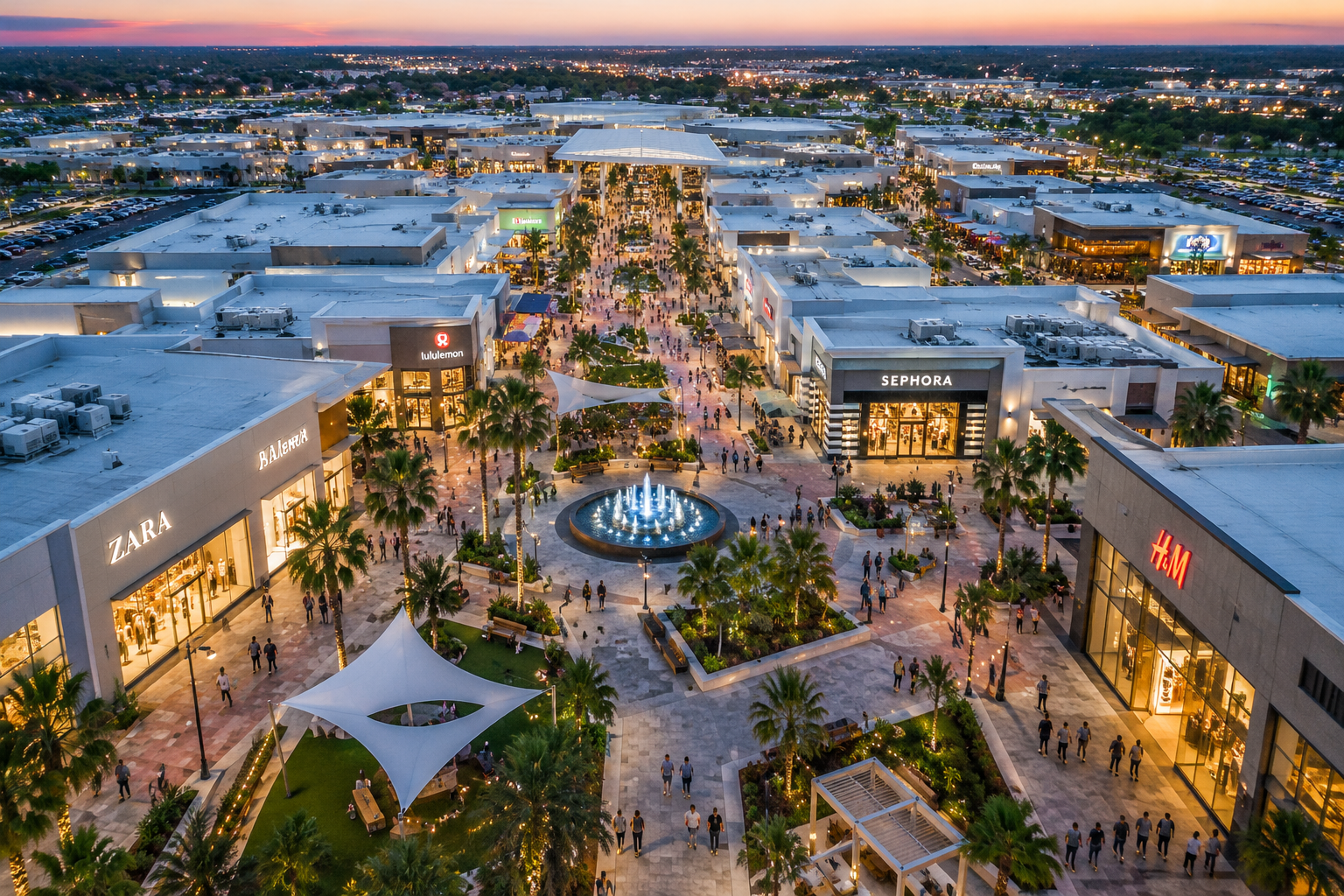
Consumers haven't slammed the brakes on spending—but they are getting a lot pickier about where their money goes.
According to Colliers' latest retail traffic analysis, overall retail sales climbed 5.2% year over year in May, with core retail sales up 4.5%. At first glance, that's a healthy sign for retailers. Dig a little deeper, though, and a different story emerges. Much of that increase was fueled by inflation—particularly higher gas prices, which pushed gas station sales up more than 25%. Strip out gasoline, and retail sales growth cools to 3.7%, while actual retail volume growth barely budged at 0.2%.
That caution is showing up in where shoppers choose to spend their time. Experience-based destinations are having a moment, with visits to theaters and music venues jumping 12.2% and attractions climbing 8.1% year over year. Consumers also lingered longer at these destinations than anywhere else, spending well over two hours on average during each visit. Meanwhile, fitness centers continued to draw steady traffic, suggesting consumers remain willing to spend on experiences and personal well-being.
Traditional retail painted a more nuanced picture. Department stores and apparel retailers both posted respectable traffic gains, while discount and dollar stores saw some of the strongest growth of all, with visits rising nearly 8%. Grocery traffic, however, remained relatively flat, and underlying food purchase volumes actually declined despite higher grocery sales—a sign shoppers are stretching every dollar by trading down to lower-cost options.
Not every retail category shared in the momentum. Furniture stores, home improvement centers, and restaurants all struggled to generate meaningful traffic growth. Fast-food chains, in particular, saw visits fall nearly 4%, suggesting consumers are becoming increasingly selective even when it comes to everyday convenience purchases.
Why It Matters
Retail isn't slowing evenly—it's becoming more polarized. Consumers are still opening their wallets, but they're prioritizing experiences they value, brands they trust, and retailers offering the strongest value proposition. For commercial real estate owners, that creates clear winners and losers. Shopping centers anchored by entertainment venues, fitness operators, discount retailers, and experiential concepts may continue to outperform, while landlords with greater exposure to furniture, home improvement, or weaker dining concepts could face slower leasing activity and softer foot traffic.
The broader takeaway is that today's consumer hasn't disappeared—they've simply become more intentional. As inflation and affordability pressures persist, retailers and property owners that deliver either compelling experiences or undeniable value are likely to capture a larger share of consumer spending. In an increasingly selective market, understanding where shoppers choose to spend both their time and money may be just as important as tracking how much they spend.
Self Storage Is Quietly Becoming CRE's Safe Haven
While office buildings continue searching for tenants and hotels navigate uneven travel demand, one property type keeps attracting institutional investors: self storage. The pandemic-era boom may be over, but don't mistake normalization for weakness. If anything, big money is doubling down on the sector.
According to DXD Capital's latest Self Storage Quarterly Download, occupancy slipped to 91.5% in Q1 2026, below both the 96.4% pandemic peak and the 92.8% pre-pandemic average, as slower home sales and reduced household mobility cooled demand. Under normal circumstances, declining occupancy might raise concerns. Instead, investors are focusing on what's happening next: a rapidly shrinking development pipeline.
New self-storage deliveries are expected to fall from 59 million net rentable square feet last year to 51 million in 2026, before declining further to just 38 million square feet by 2028—the lowest annual supply level in more than a decade. That slowdown is expected to help stabilize occupancy and prevent the oversupply issues that have challenged other commercial property sectors.
Institutional capital is already positioning for that future. Public Storage's planned $10.5 billion acquisition of National Storage Affiliates would add more than 1,000 properties to its portfolio and significantly expand its market share. At the same time, private investors continue pouring money into the sector through new funds and joint ventures, including major commitments from Heitman, Blue Vista, UBS, and Extra Space Storage.
The appeal is straightforward. Since 2023, self storage has generated an average quarterly return of 1.91%, outperforming office, lodging, multifamily, and even industrial properties. In an environment where investors are prioritizing stable cash flow and defensive assets, self storage continues to check the right boxes.
Why This Matters
Self storage continues to stand out as one of commercial real estate's most resilient asset classes. While occupancy has softened from pandemic highs, slowing new supply and continued institutional investment point to stronger long-term fundamentals. For investors, the sector's steady returns and accelerating consolidation reinforce its reputation as a defensive bet in an otherwise uncertain CRE market.
Office REITs Still Lead—But Private Landlords Are Catching Up

The office market may still be fighting elevated vacancies and refinancing pressures, but one group of owners continues to outperform the rest: public office REITs. According to CompStak's latest Portfolio Series report, REITs continue to set the benchmark across most major leasing metrics, thanks largely to their concentration of Class A assets and disciplined leasing strategies.
The numbers tell the story. REIT-owned office buildings command significantly higher asking rents, averaging $74.35 per square foot compared to $53.32 for private owners. Since 2019, REIT portfolios have also delivered stronger cumulative rent growth, with starting rents climbing 32.5%, versus 24.5% for non-REIT properties. They're also locking in tenants for longer, posting an average weighted lease term of nearly 70 months, providing greater income stability in an uncertain market.
REITs are also proving they don't need to outspend the competition to win deals. While both public and private owners are offering similar free-rent packages, private landlords are spending considerably more on tenant improvement allowances, resulting in higher overall concession costs.
That said, private owners are beginning to close the gap. Over the past two years, starting rents in non-REIT buildings increased 13.4%, outpacing the 8.1% growth recorded by REITs. The trend suggests the office recovery is beginning to extend beyond publicly traded portfolios as private owners reposition assets and capitalize on renewed demand for high-quality space.
Why This Matters
Public office REITs continue to offer some of the strongest leasing fundamentals in the sector, but private owners are showing signs of gaining pricing power. As the recovery broadens, investors may find opportunities beyond the largest REIT portfolios—particularly in well-positioned Class A assets that can capture the ongoing flight to quality.
Overall Takeaway
This week's headlines make one thing clear: commercial real estate isn't defined by broad market trends anymore—it's defined by execution.
Whether it's landlords embracing transparency, retailers responding to changing consumer habits, investors concentrating on resilient asset classes, or office owners leveraging premium portfolios, the market is rewarding those who can adapt faster than conditions change. As the second half of 2026 unfolds, the biggest opportunities won't necessarily come from chasing the next boom—they'll come from making smarter decisions in a more disciplined market.
Know Someone Who'd Enjoy This?
If you found this week's edition valuable, forward this newsletter to a colleague, client, or friend in commercial real estate. The best conversations often start with a simple share.
Interested in joining our investor network? Connect with us to receive updates on off-market opportunities, market insights, and emerging investment trends. Call (850) 203-5788 or visit www.gulfcoastpg.com to start the conversation.