
CRE Pulse: Higher-for-Longer Rates Reshape CRE Markets in 2026
If the commercial real estate market had a theme for 2026 so far, it would probably be: higher for longer… and adapt accordingly.
Elevated interest rates continue shaping everything from deal flow to refinancing activity, forcing investors and operators to stay disciplined in an environment where cheap debt is no longer doing the heavy lifting. But despite tighter capital markets and rising operating costs, several sectors—including industrial and necessity-based retail—continue showing surprising resilience.
Meanwhile, multifamily operators are navigating supply pressure across the Sun Belt, office owners are searching for creative repositioning strategies, and Florida markets continue balancing strong population growth against rising insurance and construction costs.
This week's update breaks down the latest market trends, capital market activity, regional insights, and on-the-ground dynamics shaping today's CRE landscape.
Market Snapshot
The "Higher-for-Longer" Era Isn't Leaving Quietly
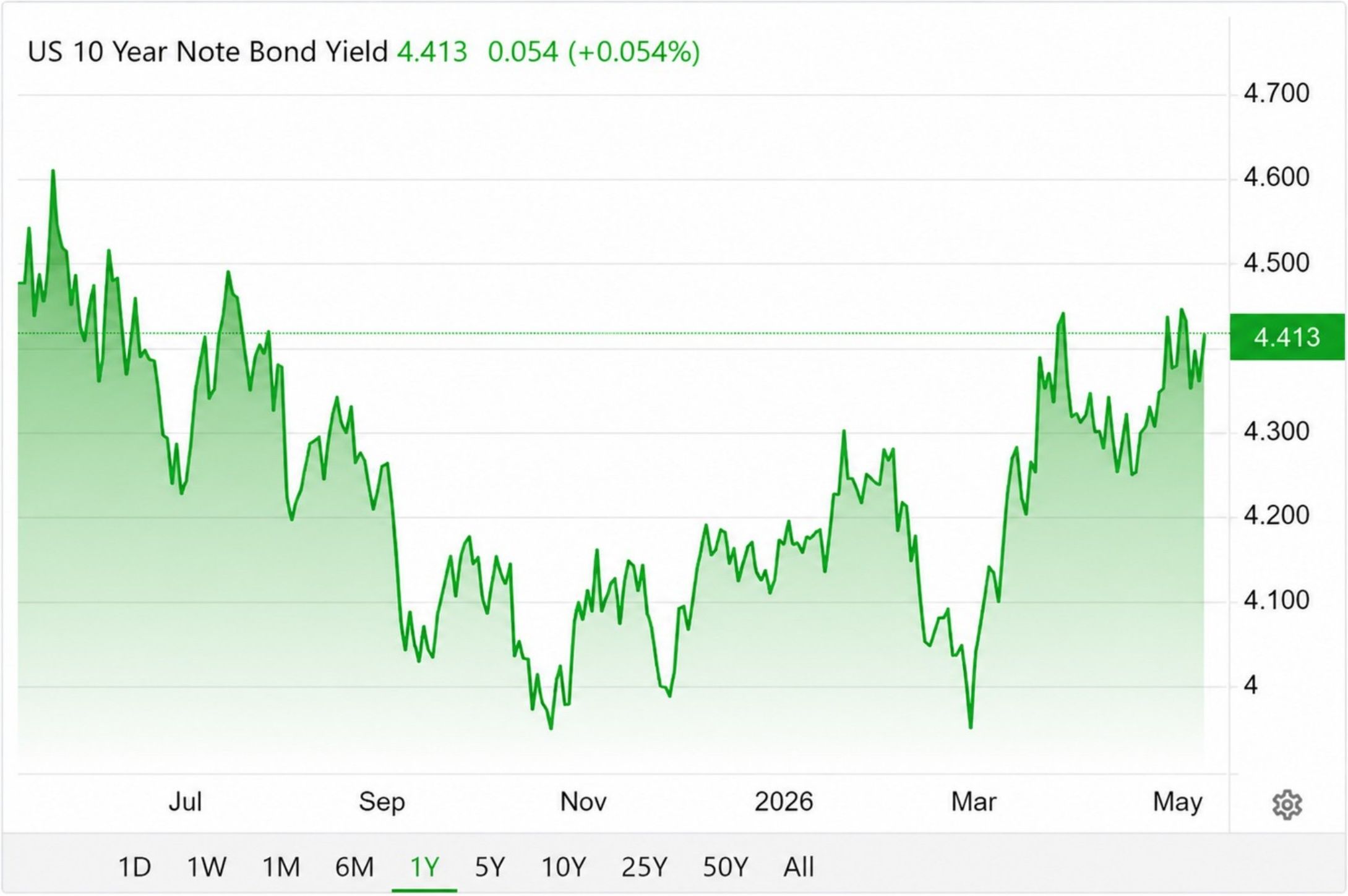
The 10-year Treasury is still hanging around the 4.4% range, which means commercial borrowing costs remain stubbornly elevated. Translation: deals are happening again…just with more spreadsheets, more caution, and probably more coffee.
Retail and industrial continue outperforming expectations nationally, while multifamily operators in high-supply Sun Belt markets are battling concessions and slower rent growth. Office? Still looking for a personality reinvention.
Deal Highlights
Industrial Still Wearing the Crown
Even with elevated financing costs, institutional capital keeps chasing industrial assets—especially:
- Last-mile logistics
- Port-adjacent distribution
- Infill industrial product
Why? Investors still trust durable tenant demand more than almost any other asset class right now. Meanwhile, transaction volume remains below peak-cycle levels as buyers and sellers continue their favorite national pastime: disagreeing on pricing.
Why This Matters
Industrial has tenant diversification (e-commerce, manufacturing) and longer leases (3–7 years), creating predictable cash flows that justify valuations in high-rate environments. Buyer-seller pricing disagreements mean negotiation leverage has shifted to buyers—if you're well-capitalized, you can demand better terms.
Regional Insights – Florida Panhandle Edition
Sunshine, Tourism & Military Stability Continue Fueling Demand
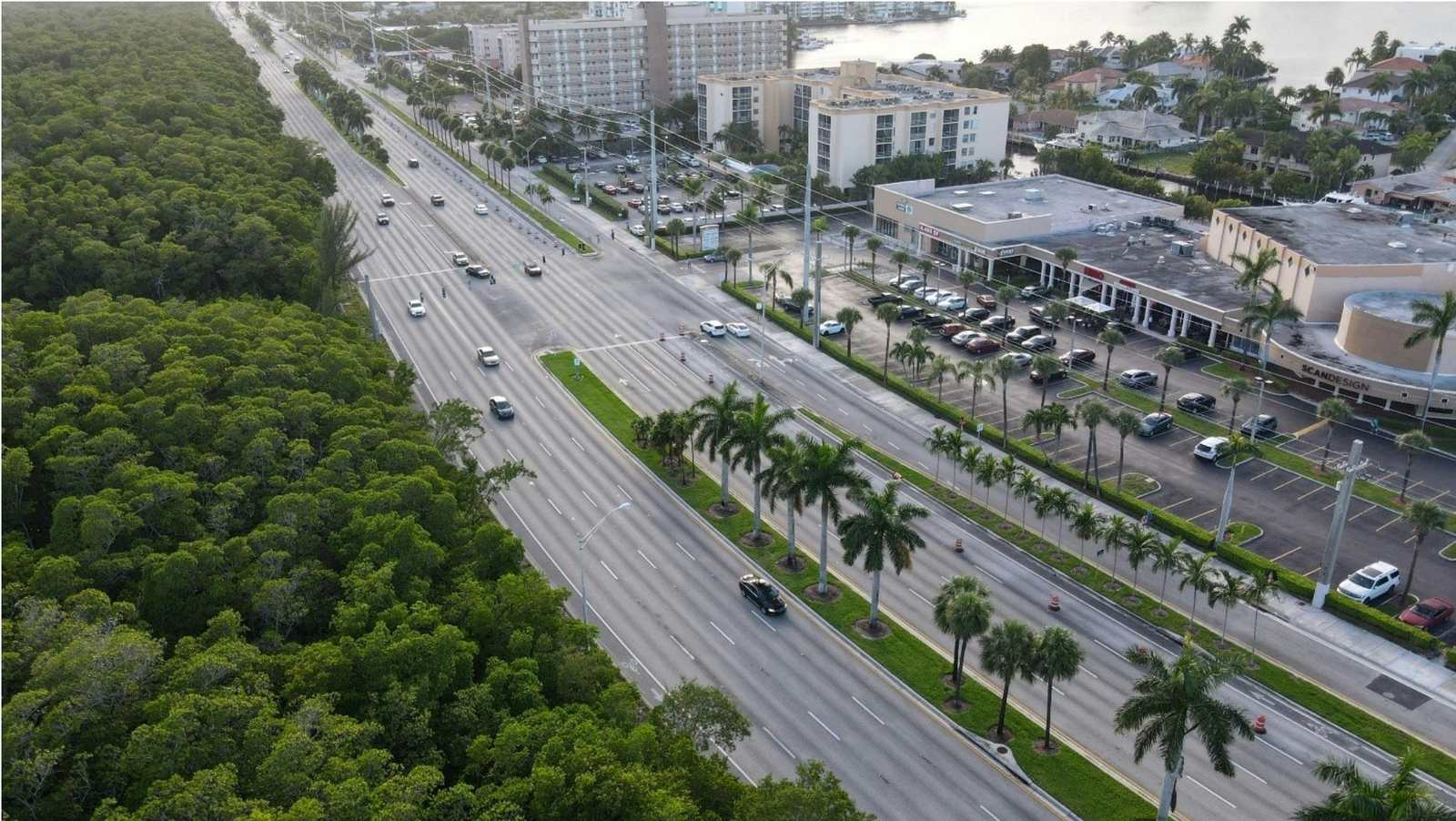
The Florida Panhandle remains one of the more interesting secondary growth stories in CRE.
Strongest Performing Sectors:
- Grocery-anchored retail
- Multifamily
- Logistics & industrial
- Hospitality-adjacent retail
Tourism and military-driven employment continue supporting local economic stability, while population inflows help maintain long-term housing and retail demand.
But it's not all beach sunsets and cap rate dreams…
Regional Pressure Points:
- Rising insurance costs
- Construction financing constraints
- Limited institutional liquidity
- Higher operating expenses
Markets like Panama City and Destin continue seeing development interest, although underwriting standards are significantly tighter than during the 2021 frenzy era.
Why This Matters
The Panhandle's economic diversification (tourism + military + population) reduces single-industry risk. Grocery-anchored retail is necessity-based and recession-resistant. However, development economics are tighter—projects now need 7.5% cap vs. 6% in 2021, filtering out speculative developers.
On-the-Ground Perspective
What Operators Are Actually Feeling Right Now
Beyond the headlines and market reports, owners and operators across Florida are dealing with one increasingly unavoidable reality: insurance costs are becoming a deal-making variable.
Across coastal markets, insurance repricing is materially impacting NOI growth, refinancing assumptions, and acquisition underwriting.
At the same time:
- Rent growth is normalizing
- Expense ratios are climbing
- Banks remain cautious toward transitional assets
The result? More motivated sellers may begin entering the market as refinancing pressure builds over the next 12–24 months.
For well-capitalized investors, that could create selective buying opportunities—especially in:
- Neighborhood retail
- Smaller-market industrial
- Distressed office repositioning plays
Why This Matters
Insurance repricing is now a deal-breaker. A 50–100% increase can erase 10–20% of NOI growth, impacting refinancing (lower DSCR = loan denial) and acquisition underwriting. More motivated sellers will emerge in 12–24 months as refinancing pressure builds—creating selective opportunities for well-capitalized investors who model insurance realistically.
Overall Takeaway
Commercial real estate remains in a "higher-for-longer" environment where elevated rates, tighter lending, and rising operating costs continue shaping investor decisions.
Still, the market is proving more resilient than many expected. Industrial and necessity-based retail continue showing strength, while multifamily and office sectors are creating selective opportunities as supply pressure and refinancing challenges increase.
In Florida and the Panhandle, population growth, tourism, and military-driven stability continue supporting long-term demand—but insurance costs and financing constraints remain key headwinds.
For investors, this market is less about chasing aggressive growth and more about disciplined underwriting, operational efficiency, and being positioned to capitalize on opportunities as pricing continues to adjust.
We're Actively Buying Value-Add Commercial and Industrial Properties
Contact us at (850) 203-5788 or submit your property details at www.gulfcoastpg.com.