
CRE Pulse: When Certainty Disappears, Fundamentals Matter
For years, commercial real estate investors could count on a few reliable playbooks: follow the Fed, build apartments, lease warehouses, and wait for office demand to return.
2026 is rewriting those rules.
This week, the Fed signaled a future with fewer clues and more uncertainty, apartment developers slammed the brakes on new projects, small business tenants showed signs of financial strain, manufacturers emerged as the new force behind industrial demand, and distressed office buildings continued searching for a second act.
The common thread? Capital is becoming more selective. Whether it's lenders, tenants, developers, or investors, everyone is focusing on quality, flexibility, and fundamentals in a market where easy answers are increasingly hard to find.
Markets & Money
The Fed Just Took Away CRE's Favorite Cheat Sheet
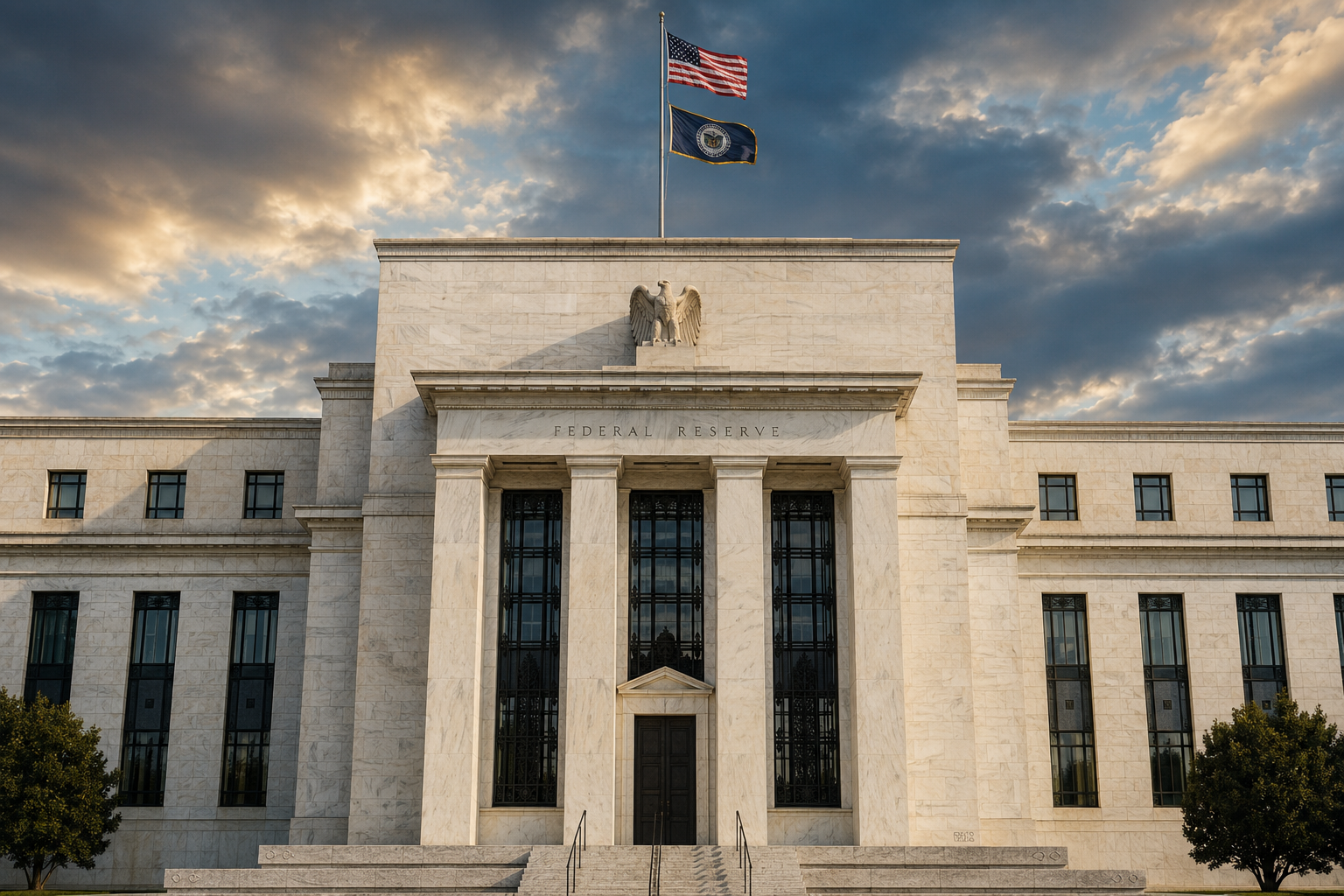
For years, commercial real estate investors had a secret weapon: the Federal Reserve practically told everyone what it planned to do next.
Those days may be over.
The Fed left interest rates unchanged this week, but that wasn't the biggest story. Under new Chair Kevin Warsh, the central bank is backing away from the forward guidance investors have leaned on since the Great Financial Crisis. Translation? The Fed isn't just keeping rates high—it's becoming a lot less chatty about where rates are headed next.
What's Happening
Inflation is proving stickier than expected. The Fed now projects:
- PCE inflation of 3.6%, up from 2.7%
- Core PCE inflation of 3.3%, also up from 2.7%
That doesn't exactly scream "rate cuts incoming."
Warsh reinforced the message by declining to submit his own dot-plot forecast, trimming the Fed's policy statement nearly in half, and sidestepping questions about future rate moves altogether.
As one economist put it: "Policy guidance is dead."
Why CRE Investors Should Care
The challenge isn't just higher rates anymore—it's higher rates with fewer clues.
Nearly $1 trillion of commercial real estate debt comes due in 2026. Many of those loans were originated when borrowing costs hovered around 4%. Today, refinancing often means rates closer to 7%.
That math gets ugly fast.
Without clear signals from the Fed, investors lose one of their most valuable tools for timing acquisitions, refinancings, and dispositions.
Why This Matters
CRE investors are used to reading the Fed like a GPS. Kevin Warsh just turned off the navigation system.
With inflation still running hot and the Fed providing fewer clues about future policy, investors face a tougher environment for refinancing, acquisitions, and exits. As billions in commercial real estate loans come due, uncertainty—not rates—may become the biggest risk in the market.
The new playbook? Less Fed-watching. More focus on property fundamentals.
Apartment Developers Just Hit The Brakes
The multifamily development machine may have just slammed into a financing wall.
US apartment starts plunged 41.6% in May, falling from 486,000 units to just 284,000, according to new Census Bureau data. That's the steepest monthly decline since the aftermath of the Global Financial Crisis—and a sign that developers are struggling to make the numbers work in today's high-rate environment.
While single-family housing starts slipped just 1.9%, multifamily projects took the full hit from rising construction loan costs, stubborn material prices, and tighter lending standards.
What's Breaking?
Developers aren't pulling back because demand disappeared—they're pulling back because financing got expensive.
Construction loan rates have climbed into the 7%-10% range, loan-to-cost ratios have tightened, and lenders are demanding more equity than they were just a few years ago.
The result? Projects that looked profitable in 2023 suddenly don't pencil in 2026.
Meanwhile, housing completions are slowing too. Multifamily completions fell 14.2% year-over-year, suggesting the pipeline is thinning from both ends.
Why It Matters
Today's construction slowdown could become tomorrow's supply shortage.
With fewer apartments breaking ground, existing multifamily owners may benefit from less competition, stronger occupancy, and improved rent growth once current supply is absorbed.
The challenge for the industry? America still needs more housing—but the economics of building it are becoming increasingly difficult.
America's Small Business Tenants Are Feeling the Squeeze

Behind every neighborhood retail center, mixed-use building, and small-bay industrial property is a familiar cast of tenants: the nail salon, insurance agency, HVAC contractor, or local retailer.
And right now, many of them are struggling.
Small businesses account for 99.9% of U.S. businesses and generate more than half of all new jobs, making them the backbone of many commercial real estate rent rolls. But rising energy costs, inflation, and growing economic uncertainty are putting pressure on already thin margins.
Warning Signs Are Flashing
According to recent data, small business profitability fell 1.3% year-over-year in April—the weakest reading in two years. Meanwhile, gasoline spending jumped 31%, forcing many operators to rethink hiring, expansion plans, and even lease renewals.
The NFIB's Small Business Optimism Index also slipped below its long-term average, while uncertainty climbed well above historical norms. In short: business owners are becoming more cautious at exactly the wrong time.
Why It Matters
The biggest risk may be what hasn't happened yet.
Experts warn there's often a lag between financial stress and bankruptcy filings, meaning today's pressure on small business balance sheets may not show up as lease defaults or vacancies until later this year or even 2027.
For landlords and investors, tenant retention could become just as important as interest rates and cap rates.
Manufacturers Just Took Over the Warehouse Market
For years, third-party logistics providers (3PLs) and retailers dominated industrial leasing. Not anymore.
Manufacturers are now the biggest drivers of industrial demand, leasing more than 327 million square feet of space between 2025 and Q1 2026. That's 38% more activity than retailers and wholesalers, marking a major shift in who's fueling the warehouse market.
The reason? Companies are redesigning supply chains to be more resilient, regional, and less dependent on overseas production.
A New Industrial Playbook
This isn't traditional reshoring. Instead, companies are building regional supplier networks, increasing inventory control, and positioning facilities closer to customers.
Demand is coming from a diverse mix of industries, including consumer goods, automotive, energy, technology, life sciences, and industrial equipment manufacturers.
Geographically, Texas, the Southeast, and the Midwest are attracting the bulk of new leasing activity thanks to available land, strong infrastructure, and established logistics networks.
Why This Matters
The industrial market is evolving beyond the e-commerce boom.
While retailers and logistics firms remain important, manufacturers are becoming the newest demand engine for industrial real estate. That shift is influencing everything from site selection and building design to long-term development strategies.
For owners and developers, facilities that can support advanced manufacturing, flexible logistics, and regional distribution networks may have a competitive advantage as supply chains continue to evolve.
CBD Office Buildings Keep Taking the Hit
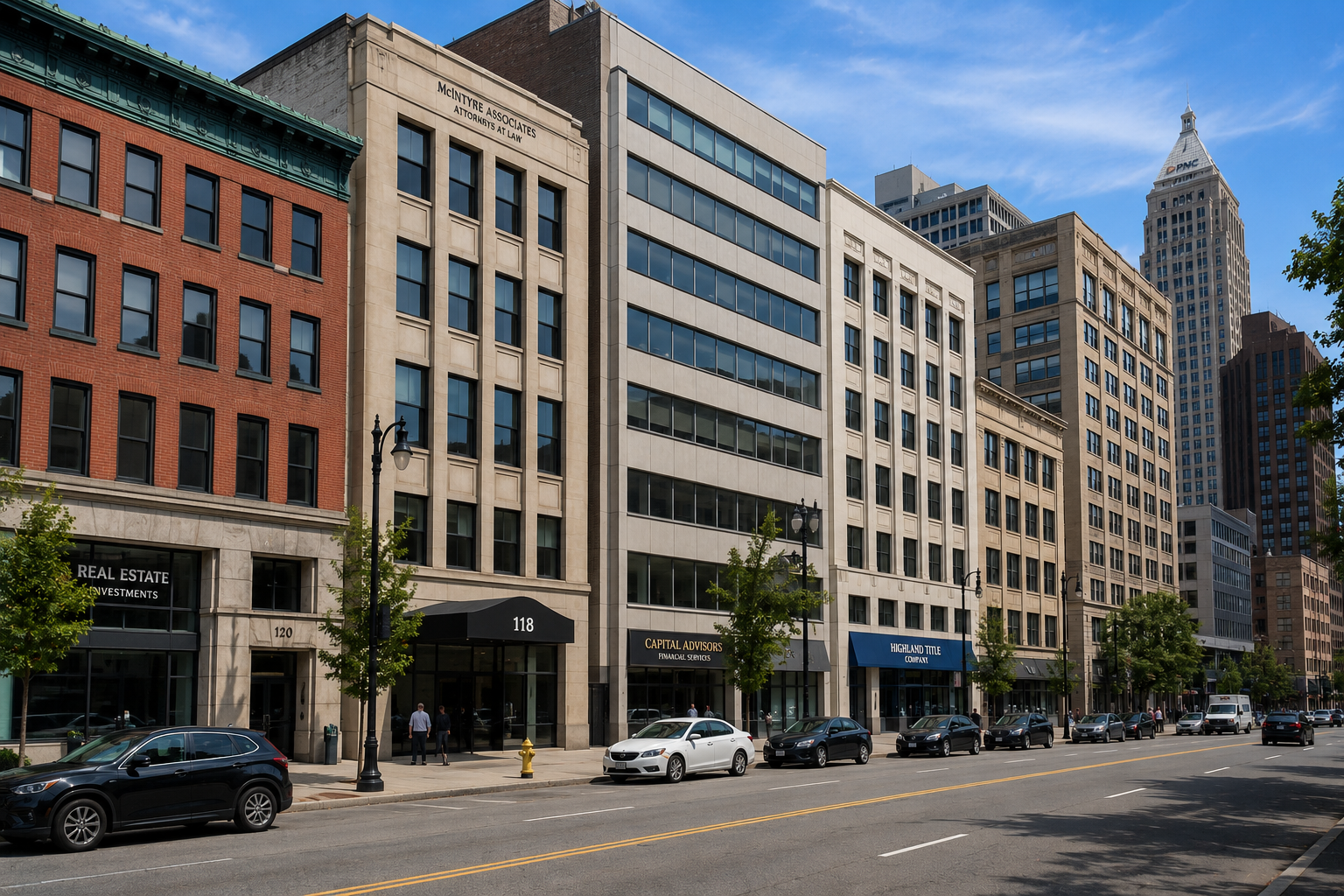
The office market may be stabilizing on paper, but downtown office towers are telling a different story.
According to new Yardi data, distress remains heavily concentrated in central business districts (CBDs), where older office buildings continue to trade at steep discounts as tenants flock to newer, amenity-rich properties.
The culprit? A combination of hybrid work, rising financing costs, and a relentless flight to quality.
The Greatest Office Divide
Companies aren't abandoning offices altogether—they're becoming more selective.
Tenants are consolidating into modern buildings with flexible layouts, premium amenities, and stronger sustainability features. That leaves older CBD towers struggling with rising vacancies, expensive capital improvements, and shrinking tenant demand.
Meanwhile, office attendance remains stuck near 55%, limiting the need for many companies to expand their footprints.
Reinvention Over Recovery
For many aging office buildings, the path forward isn't finding more office tenants—it's finding a new purpose.
Across the country, investors are exploring office-to-residential conversions, mixed-use redevelopments, and other adaptive reuse strategies to breathe life into obsolete properties.
As property values reset, opportunistic buyers are increasingly targeting distressed assets with repositioning potential.
Why This Matters
The office story is no longer about vacancy rates—it's about obsolescence.
As distressed sales reset valuations, owners of outdated CBD buildings face mounting pressure from refinancing challenges and costly upgrades. At the same time, investors with capital and a clear redevelopment strategy may find some of the best opportunities the sector has offered in years.
Overall Takeaway
The biggest risk in commercial real estate today isn't any single asset class—it's uncertainty.
The Fed is offering fewer signals, financing remains expensive, development pipelines are shrinking, and tenant demand is becoming increasingly selective. At the same time, opportunities are emerging for investors willing to focus on fundamentals rather than market forecasts.
The winners in this environment won't necessarily be those who predict the next rate cut. They'll be the owners and operators who understand their tenants, manage risk effectively, and invest in properties that solve real market needs.
In 2026, the market isn't rewarding speculation. It's rewarding adaptability.
We're Actively Buying Value-Add Commercial and Industrial Properties
Interested in joining our investor network? Connect with us to receive updates on off-market opportunities, market insights, and emerging investment trends. Call (850) 203-5788 or visit www.gulfcoastpg.com to start the conversation.