
Industrial & Retail Lead the Comeback
☕ Good Morning!
The CRE market is waking up—but not everyone got invited to the party.
Small-cap deals are picking up, industrial and retail are leading the charge, mall traffic is climbing, and shoppers are sticking around longer. Meanwhile, homebuilders are hitting the brakes and self-storage is showing signs of recovery—but with a few asterisks.
This week, we're looking at where demand is holding up, where supply is tightening, and which parts of CRE are actually gaining momentum.
Let's get into it. ☕
Small-Cap CRE Is Back in Business
Small-cap commercial real estate is having a very 2026 kind of comeback: cautious, competitive, and powered by the sectors investors actually want.
According to Green Street, US small-cap CRE sales reached $57.1B in H1 2026, up 9.3% year over year. That marks the second consecutive first-half increase, although we're still about 10% below the 2022 peak.
And two sectors are doing the heavy lifting: industrial and retail.
🏭 Industrial: Full Send
Industrial sales jumped 12.6% to a record $14.2B, with urban infill and hard-to-replicate locations attracting serious attention. Industrial now represents 24.9% of small-cap volume, up from 16.3% in 2019.
Translation: investors still want warehouses—and apparently, they want the smaller ones, too. It's a trend we've been tracking in our look at small industrial properties in Florida.
🛍️ Retail: The Plot Twist
Retail actually grew faster, with sales soaring 17.7% to $12.91B. Strip centers account for roughly 65% of retail volume, while grocery- and necessity-anchored properties are drawing institutional buyers back into the space—something we explored in our piece on grocery-anchored retail centers.
Yes, retail. We've officially entered the comeback arc.
🏘️ Multifamily: Still #1, But Losing Ground
Multifamily remains the largest sector at $14.54B, but its market share has fallen to 25.5%, down from 31% during 2019–2021. Conventional apartments are flat, while senior housing is stealing some attention with a 38% jump.
Meanwhile, institutional and private investors are increasingly shopping in the same $5M–$25M aisle. The old dividing line between the two? Pretty much erased.
Why This Matters
More buyers chasing smaller deals means more liquidity—and potentially more pricing pressure.
DST fundraising is adding another tailwind. Fundraising hit $8.41B in 2025, up 49%, and could reach $11B this year as older investors seek passive income and estate-planning solutions.
The takeaway? Small-cap CRE isn't booming everywhere. It's becoming more selective. Industrial and retail are getting the spotlight, multifamily is cooling, and disciplined capital is hunting for assets that work at today's prices—not tomorrow's fantasy rent growth.
In other words: the small-cap market is open for business. Just bring a spreadsheet.
Homebuilding Hits the Brakes
📉 The Big Picture
The US housing market just got another reminder that high rates + high costs = fewer shovels in the ground.
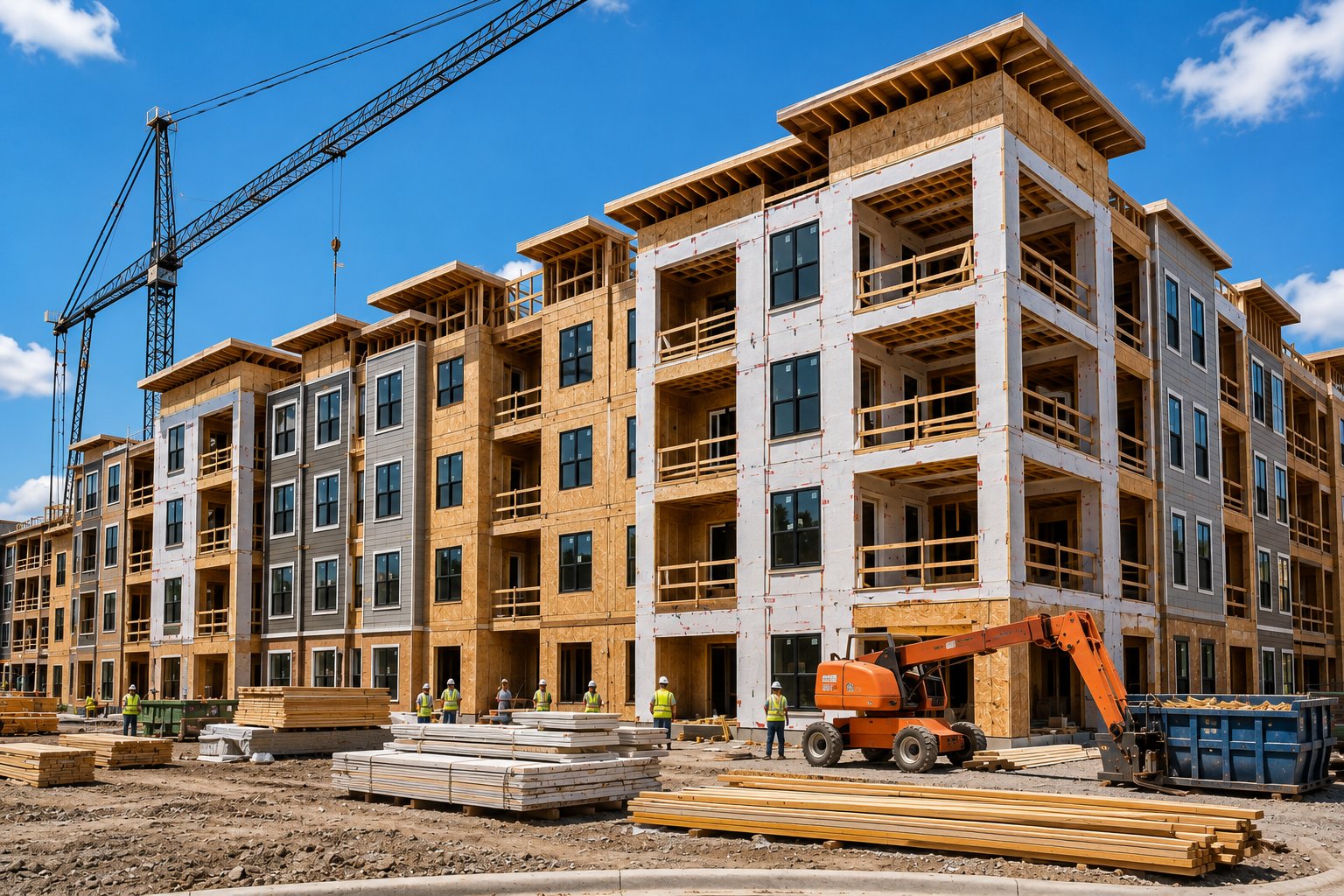
Single-family starts fell 9.9% in July to an annualized 808,000 units, the lowest pace since November 2022. Starts were also down 15.7% from a year earlier, extending a slowdown that has kept builders cautious for much of the past year.
🏗️ Multifamily Isn't Escaping Either
Multifamily starts dropped 15.6% from June and 7.1% year over year to 421,000 units. Completions weakened, too, with single-family completions down 12.8% and multifamily completions plunging 25.6%.
Basically, the construction pipeline is feeling less like a boom and more like someone found the pause button. ⏸️
🌱 But Permits Offer a Glimmer
Here's the plot twist: permits improved.
Total permits rose 5% month over month and 3.1% year over year. Single-family permits reached 894,000, while multifamily permits jumped 9.1% monthly and 6.3% annually.
The Northeast and West are leading that optimism, with particularly strong multifamily permitting and starts.
Why This Matters
Builders are staring down mortgage rates around 6.75%–7%, elevated material and labor costs, tighter lending, and uncertain consumer demand. That makes launching new projects harder—and keeps potential buyers on the sidelines.
For CRE investors and lenders, the message is pretty clear: new supply isn't coming back in a hurry.
If rates and costs ease, today's stronger permitting could eventually translate into more construction. Until then, expect developers to remain picky about where—and whether—they break ground.
The housing market isn't out of ideas. It's just waiting for the math to work. 🧮
Self-Storage Is Recovering… Sort Of
📦 The Big Picture
Self-storage is showing signs of life—but before anyone starts popping champagne, there's a catch.
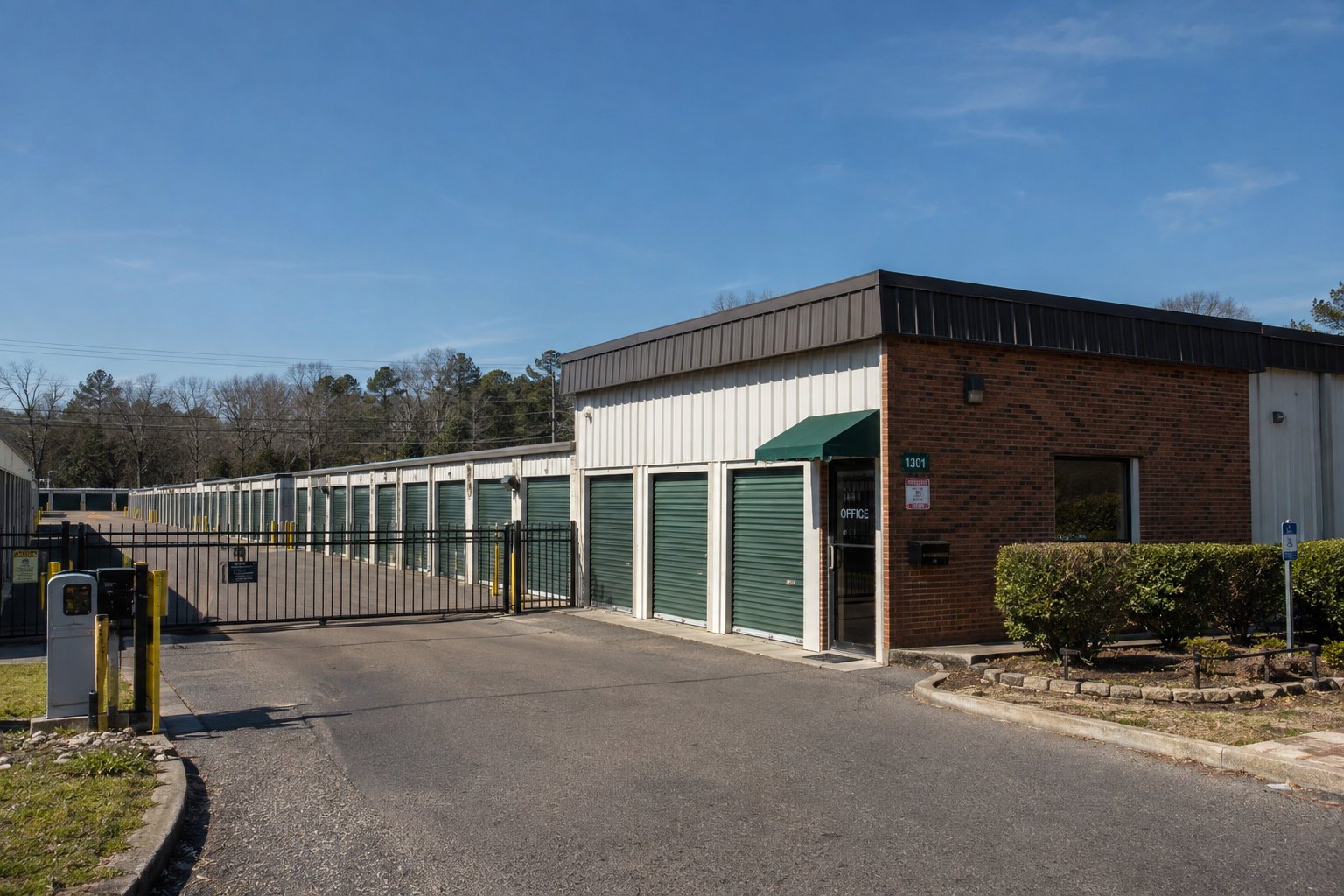
Yardi Matrix says occupancy improved in Q2, helping self-storage REITs beat expectations and raise their 2026 outlooks. But the rebound is being driven largely by fewer tenants moving out, not by a surge of new renters.
👀 Demand Is Still the Missing Piece
Net move-in/move-out activity reached 1.6% of units, its strongest level in five years. Sounds great, right?
Not quite.
New rentals are still declining, continuing a four-year slide, while fewer move-outs are keeping units occupied longer. And because move-in rents are roughly 40% below move-out rents, a future pickup in turnover could create some serious rent "rolldown" headaches.
💸 Rents Are Still Sliding
National advertised rents fell 1.6% year over year in July to $16.47/SF, marking the seventh consecutive month of annual declines.
The good news? Supply is finally getting under control. Completions dropped nearly 28% in H1 2026, while construction starts fell almost 20%. Only 44.1M SF remains under construction—just 2.1% of existing inventory.
Why This Matters
The recovery is real, but fragile.
Austin is showing momentum with 2.1% rent growth, while Tampa and Sarasota-Cape Coral remain under pressure. Phoenix is another market to watch, with a massive pipeline equal to 6.6% of existing inventory.
For storage operators, the formula is simple: less new supply helps, but eventually you need actual customers.
Until housing activity—and therefore storage turnover—recovers, this sector may be running on a surprisingly small fuel tank.
Occupancy is up. Demand? Still loading… ⏳
Mall Traffic Is Up—and Shoppers Are Actually Hanging Around
🚶 The Big Picture
The mall comeback just got a little more interesting.
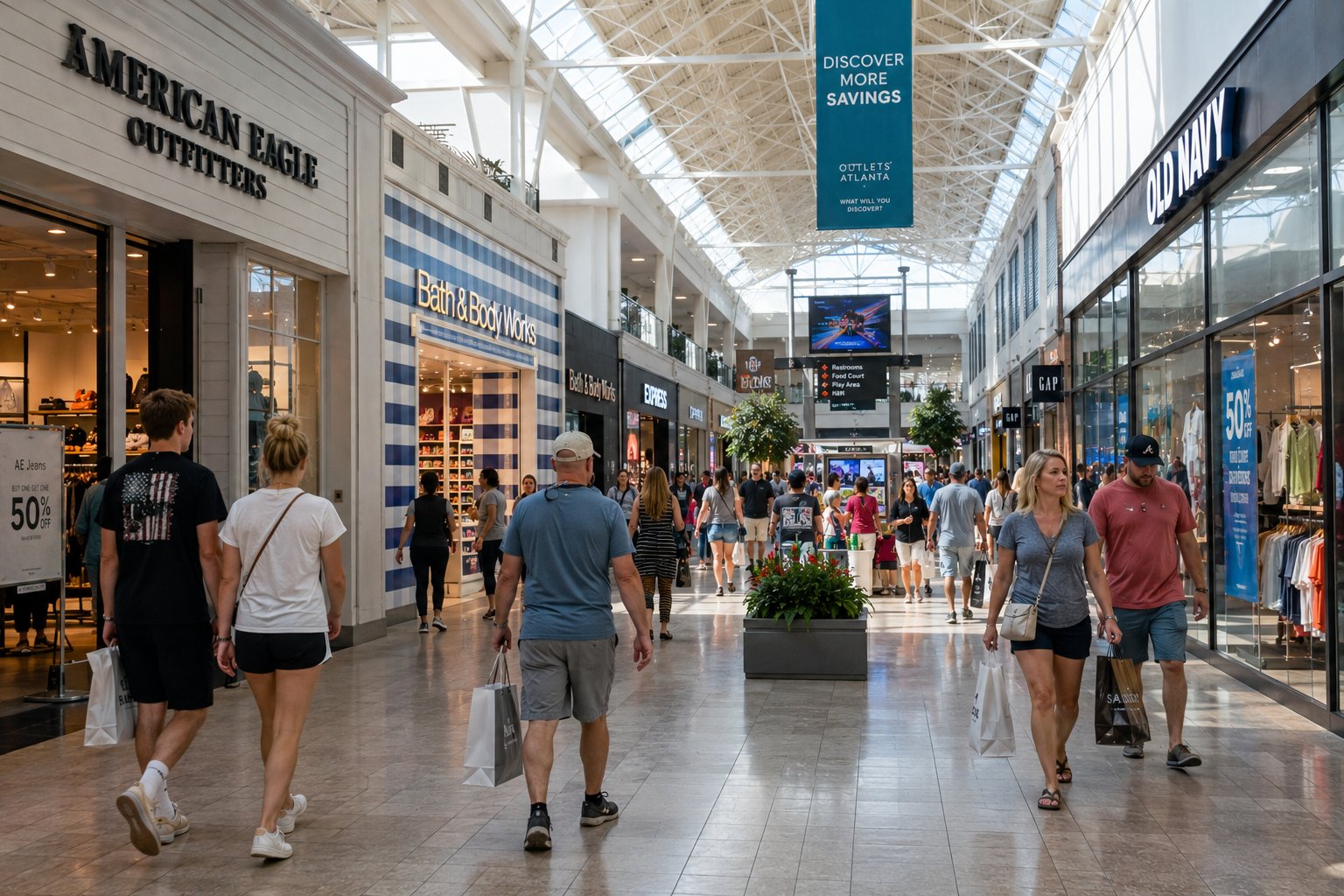
According to Placer.ai, shopping center traffic increased across every major mall format in July. Open-air centers led the pack with visits up 5.1% year over year, followed by indoor malls at 4.3%. Even outlet malls, which spent much of 2025 in negative territory, clawed their way back to positive growth with a 0.5% increase.
But here's the part retailers and landlords should really care about: people aren't just showing up—they're staying longer.
⏱️ From Errands to Experiences
Earlier this year, rising traffic came with shorter visits. That suggested shoppers were operating in "get in, buy the thing, get out" mode.
July flipped the script.
Average visit duration returned to year-over-year growth across open-air, indoor, and outlet centers. That extra dwell time creates more opportunities for cross-shopping, restaurants, entertainment, impulse purchases, and all the other things landlords would very much like consumers to do.
🌴 Open-Air Centers Keep Winning
Open-air retail continues to benefit from convenient access, necessity-based tenants, and its growing role as a mixed-use community destination.
Meanwhile, outlet malls deserve some credit for their comeback. Their shoppers tend to be more price-sensitive and often travel farther, making the format particularly vulnerable to higher gasoline costs. Positive traffic growth despite those headwinds is a meaningful signal.
Why This Matters
The timing couldn't be better.
With back-to-school and holiday shopping seasons ahead, sustained traffic plus longer visits could translate into stronger tenant sales and increased demand for dining, entertainment, and experiential retail.
For landlords, the formula is pretty attractive:
More visitors + more time spent = more chances to spend. 💰
The mall isn't just surviving. It's giving shoppers a reason to stick around.
Overall Takeaway
The headlines may change from sector to sector, but this week's data points to the same underlying trend:
The best opportunities are emerging where fundamentals are doing the heavy lifting.
Industrial and retail are benefiting from real demand and limited supply. Mall traffic is improving as shoppers spend more time on-site. Even self-storage, despite softer demand, is finding support from a shrinking construction pipeline.
At the same time, housing is showing just how quickly higher rates and construction costs can change the equation.
For investors, this is less about chasing the hottest sector and more about identifying where supply is constrained, demand is durable, and the numbers make sense today.
That's where we believe the most interesting opportunities are starting to emerge.
Interested in Joining Our Investor Network?
If you're an investor looking to partner with a CRE Team and explore opportunities backed by disciplined underwriting and real market fundamentals, we'd love to connect. Call (850) 203-5788 or visit our Investment Partnerships page to start the conversation.